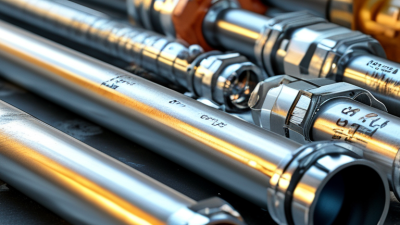
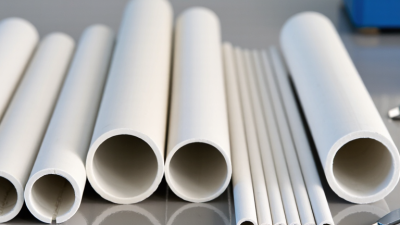
What Are Zirconia Tubes and What Are They Used For?
Zirconia Tubes are engineered ceramic components made from zirconium dioxide, often stabilized with yttria, magnesia, or calcia. These additives reduce cracking during heating and cooling. The result is a tube that can withstand intense heat, chemical attack, and electrical insulation demands. Not merely ceramic pipes.
Their value becomes clear inside a laboratory furnace. A zirconia tube may protect a thermocouple, separate reactive gases, or support a sample above 1,500°C. In oxygen sensors, stabilized zirconia conducts oxygen ions at elevated temperatures. This property helps measure combustion conditions in engines, kilns, and industrial heating systems. However, performance depends on purity, wall thickness, thermal cycling, and the selected stabilizer. A tube that works well in a furnace may fail in molten metal service.
Industry data supports the wider importance of advanced ceramics. Grand View Research’s Advanced Ceramics Market Size, Share & Trends Analysis Report describes continuing growth in ceramics used for electronics, energy, healthcare, and high-temperature equipment. The U.S. Geological Survey’s Mineral Commodity Summaries also identifies zirconium compounds and zirconium-bearing minerals as important industrial materials. These reports do not isolate the global Zirconia Tubes market, which is an important limitation. Public statistics remain fragmented.
This article explains what Zirconia Tubes are, how they are manufactured, and where they perform best. It also examines thermal shock, porosity, mechanical strength, and dimensional accuracy. The practical lesson is simple: material selection matters. A technically impressive tube can still be unsuitable without correct tolerances, atmosphere control, and installation.
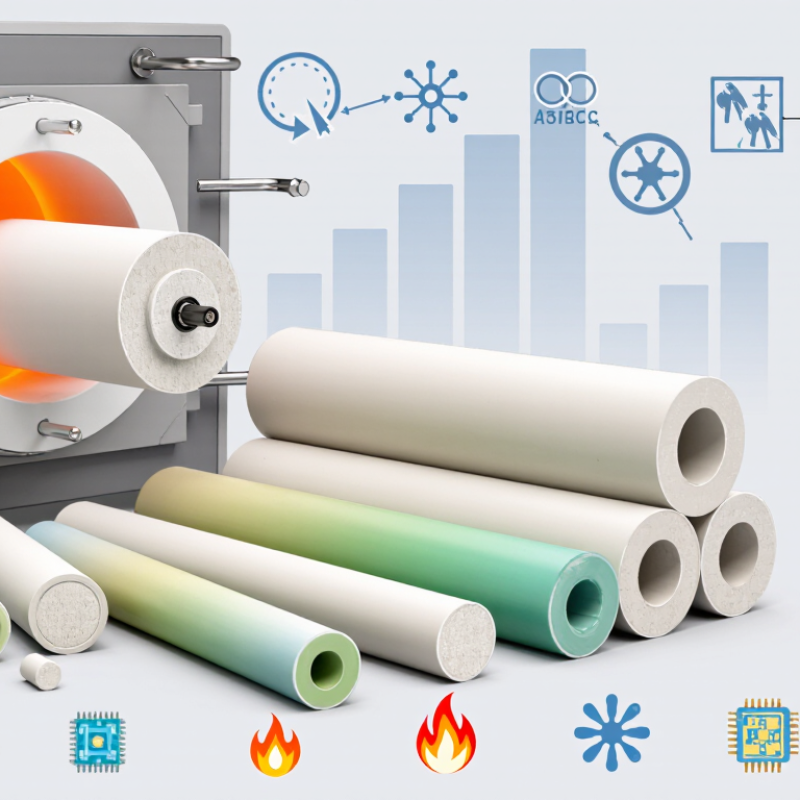
What Zirconia Tubes Are and How They Are Made
Zirconia tubes are ceramic tubes made from zirconium dioxide, a hard and heat-resistant material. Their strength comes from a carefully controlled crystal structure. Manufacturers often add small amounts of stabilizing oxides, such as yttria, to improve toughness. This helps the tube resist cracking during heating and cooling. Zirconia also provides strong electrical insulation and good resistance to many molten metals and chemicals.
The manufacturing process usually begins with fine zirconia powder. Technicians mix it with stabilizers, binders, and processing aids. The mixture is then pressed or extruded into a tube shape. Drying removes moisture, but the shape may still feel fragile. A controlled heating cycle removes the temporary binders. The tube is then sintered at a high temperature, which makes the ceramic dense and strong. Grinding may improve the inner diameter and surface finish. Each batch should be checked for cracks, dimensions, and porosity. Small defects can matter. In practice, even a well-designed process is not completely flawless.
Tips: Choose the tube according to temperature, chemical exposure, and mechanical load. Check the internal diameter carefully before installation. Avoid sudden temperature changes when possible. Support long tubes properly, because zirconia is strong but still brittle. Ask for test data when tight tolerances or repeated thermal cycling are involved.
Key Properties of Ziria Tubes
Zirconia tubes are ceramic components made from zirconium dioxide, a material valued for demanding thermal and electrical environments. Their key strength is high-temperature stability. Depending on the grade, they can remain reliable above 1,000°C. They also resist many molten metals, acids, and alkaline materials better than ordinary ceramics. This makes them useful as thermocouple protection tubes, furnace supports, oxygen-sensing parts, and insulation sleeves.
Zirconia offers low thermal conductivity and strong electrical insulation. At elevated temperatures, some zirconia compositions also conduct oxygen ions, which supports oxygen measurement systems. Its fracture toughness is higher than that of many traditional technical ceramics. Still, it is not unbreakable. A sudden temperature change, uneven heating, or poor mechanical support can create cracks. In practical installations, wall thickness, tube purity, operating temperature, and sealing method all affect service life. I have found that temperature ratings alone can be misleading; the heating cycle matters just as much.
Tips: Match the tube to the real atmosphere, not only the maximum temperature. Check chemical compatibility with gases, powders, and molten materials. Leave room for thermal expansion. Avoid forcing a tight fit around the tube, especially during startup and shutdown. A small design mistake can become a visible crack.
Selection Criteria, Handling, and Maintenance
Zirconia tubes are dense ceramic sleeves made from zirconium dioxide, usually stabilized with yttria or magnesia. They resist high temperatures, electrical conduction, corrosion, and molten-metal attack. Common uses include furnace insulation, thermocouple protection, oxygen sensors, and laboratory reaction systems. The USGS Mineral Commodity Summaries 2024 reported global zirconium mineral concentrate production at roughly 1.4 million metric tons in 2023. This broad supply supports continued use of zirconia in demanding ceramic applications, although raw-material volume does not guarantee tube quality.
Selection should begin with temperature, atmosphere, chemical exposure, and mechanical loading. Ask for the stabilizer type, density, porosity, thermal-expansion data, and tested dimensions. A tube for oxidizing air may not suit a reducing furnace. Wall thickness also matters; thin walls heat faster but tolerate less handling. ASTM C1161 provides a recognized method for evaluating advanced-ceramic flexural strength. Small defects matter. Inspect the bore and outer surface under angled light before installation.
Handle tubes with clean gloves and padded supports. Avoid point loading at the ends. Heat them gradually, especially after storage in a cool room. Thermal shock is unforgiving. During maintenance, remove deposits with a compatible, non-abrasive method and never scrape aggressively with metal tools. Record operating cycles, peak temperature, and visible discoloration. A clean-looking tube can still contain internal damage. Replacement should follow measured wear, not appearance alone; this is where rushed maintenance often proves unreliable.
What Are Zirconia Tubes and What Are They Used For?
Zirconia tubes are ceramic tubes made from zirconium dioxide, often stabilized with yttria or magnesia. They are used in high-temperature furnaces, thermocouple protection, molten-metal handling, chemical processing, and electrical insulation because of their thermal stability, wear resistance, and low electrical conductivity.
The chart shows representative density and linear thermal expansion values for common zirconia material families. Selection should also consider operating temperature, thermal shock, tube dimensions, chemical compatibility, wall thickness, and porosity. Handle zirconia tubes with clean gloves, avoid sudden temperature changes, and inspect them regularly for cracks, chips, or contamination.