Top Zirconia Tubes for High Performance Applications?
Zirconia tubes are essential components in various high-performance applications. These materials exhibit superior properties, making them ideal for demanding environments. According to a recent market study, the demand for zirconia-based products is expected to grow at a CAGR of 6.2% from 2021 to 2026. This underscores the increasing reliance on zirconia tubes across diverse industries, including medical, aerospace, and energy sectors.
The unique attributes of zirconia tubes include their high strength, thermal stability, and resistance to chemical corrosion. For instance, zirconia tubes can withstand temperatures exceeding 2000°C, making them invaluable in high-temperature applications. However, challenges remain. Not all zirconia tubes are produced with the same standard, leading to variability in performance. It’s crucial for manufacturers to ensure quality control during the production process.
Moreover, the precise manufacturing techniques and materials used can significantly influence the tube's durability. Organizations need to stay informed about technological advancements in zirconia production. Such insights can lead to improved application outcomes. By addressing these complexities, industries can better leverage the advantages offered by zirconia tubes, positioning themselves for future success.
Understanding Zirconia Tubes and Their Properties
Zirconia tubes are essential in high-performance applications, given their exceptional mechanical properties and thermal stability. The material, zirconium dioxide, boasts a high melting point of around 2,700°C and excellent corrosion resistance. According to recent industry reports, the demand for zirconia tubes is projected to grow at a CAGR of 7.5% from 2021 to 2028, primarily driven by advancements in the ceramics and electronics sectors.
Understanding the properties of zirconia tubes is crucial for optimizing their use. Zirconia exhibits high fracture toughness and strength, making it suitable for applications like biomedical implants and aerospace components. Reports indicate that fracture toughness can reach 8 MPa√m, outperforming conventional materials. However, challenges such as brittleness under certain conditions require careful consideration during application design.
The unique characteristics of zirconia also extend to its electrical properties. It is a good insulator at room temperature but can exhibit ionic conductivity at elevated temperatures. This dual nature presents opportunities and challenges. Innovators must explore how to best harness these properties while addressing the limitations inherent in using zirconia. Rigorous testing and analysis are essential to improve its efficacy in real-world applications, pointing to the need for ongoing research and development within the field.
Key High-Performance Applications of Zirconia Tubes
Zirconia tubes are increasingly recognized for their exceptional performance in demanding environments. Their high strength and resistance to wear make them essential in industries like aerospace, medical devices, and electronics. A recent industry report indicated that the demand for zirconia materials is expected to grow annually by over 6% through 2025. This growth reflects the shift toward advanced materials in high-stakes applications.
In aerospace, zirconia tubes can withstand extreme temperatures and corrosive conditions. The material's thermal stability is crucial for components exposed to high-stress environments. Medical devices, such as dental implants and surgical tools, also benefit from zirconia's biocompatibility and durability. Additionally, the electronics sector utilizes zirconia tubes in insulation applications, ensuring reliable performance under varying conditions.
The journey isn't without challenges. While zirconia exhibits exceptional properties, its brittleness can limit its usability. The cost of high-quality zirconia processing also raises budget considerations for manufacturers. Continuous research in material science aims to enhance the flexibility and reduce the costs associated with zirconia products. The balance between performance and affordability remains a focus for industry leaders.
Performance Comparison of Top Zirconia Tubes in Various Applications
Factors Affecting the Performance of Zirconia Tubes
Zirconia tubes are essential in high-performance applications due to their unique properties. Performance can vary significantly based on several factors. One key element is temperature stability. Zirconia maintains its mechanical strength at high temperatures, but varying compositions can alter its thermal shock resistance. Reports suggest that 3Y-Zirconia exhibits superior performance in thermal cycling tests compared to other variants.
Another vital factor is the manufacturing process. The sintering method plays a crucial role in achieving desired density and toughness. Variations in grain size affect the overall durability of the tubes. Studies indicate that finer grains lead to enhanced toughness, reducing the risk of cracking under stress.
Tip: Always consider your application's specific temperature range. Assessing compatibility can prevent unexpected failures.
Chemical composition also impacts performance. The presence of additives influences mechanical properties and oxidation resistance. Selecting the right formulation is critical for specific applications such as electronics or medical devices. Ensuring the right balance of components can enhance service life and reliability.
Tip: Test materials before implementing them in critical systems. Early evaluations can save time and costs.
It's clear that multiple variables shape the effectiveness of zirconia tubes. Understanding these factors can lead to better material selections for your projects.
Top Zirconia Tubes for High Performance Applications
| Zirconia Tube Type |
Operating Temperature (°C) |
Density (g/cm³) |
Fracture Toughness (MPa·m1/2) |
Thermal Conductivity (W/m·K) |
Applications |
| High-Temp Zirconia |
1600 |
6.00 |
6.0 |
2.5 |
Fuel Cells |
| MgO-Stabilized Zirconia |
1400 |
5.90 |
5.5 |
3.0 |
Refractories |
| Yttria-Stabilized Zirconia |
1250 |
6.05 |
7.2 |
2.2 |
Biomedical Applications |
| Calcia-Stabilized Zirconia |
1500 |
5.85 |
4.8 |
1.8 |
Thermal Barriers |
| Ceramic Zirconia Tubes |
800 |
5.75 |
3.5 |
1.5 |
Electronics |
Leading Manufacturers of Zirconia Tubes in the Market
Zirconia tubes are essential in many high-performance applications. Industries like automotive, aerospace, and electronics require materials that withstand extreme conditions. Zirconia's high thermal stability and mechanical strength make it a preferred choice. Data shows that the market for zirconia components has grown significantly, with projections estimating a CAGR of 5.8% over the next five years.
Leading manufacturers focus on precise production techniques. Many utilize advanced sintering methods to enhance the tubes' durability. This investment in technology reflects a commitment to delivering reliable products. However, the increasing demand presents challenges. Ensuring consistent quality across batches is crucial. Some manufacturers struggle with variations in material properties, which can impact performance.
The competitive landscape is evolving. New entrants are investing in research and development to innovate zirconia formulations. While this can lead to breakthroughs, it raises concerns. Balancing performance with cost remains a challenge for many producers. Customer feedback reveals a need for greater transparency in sourcing and production practices. Manufacturers must navigate these complexities to meet rising expectations.
Comparative Analysis of Zirconia Tubes vs. Alternative Materials
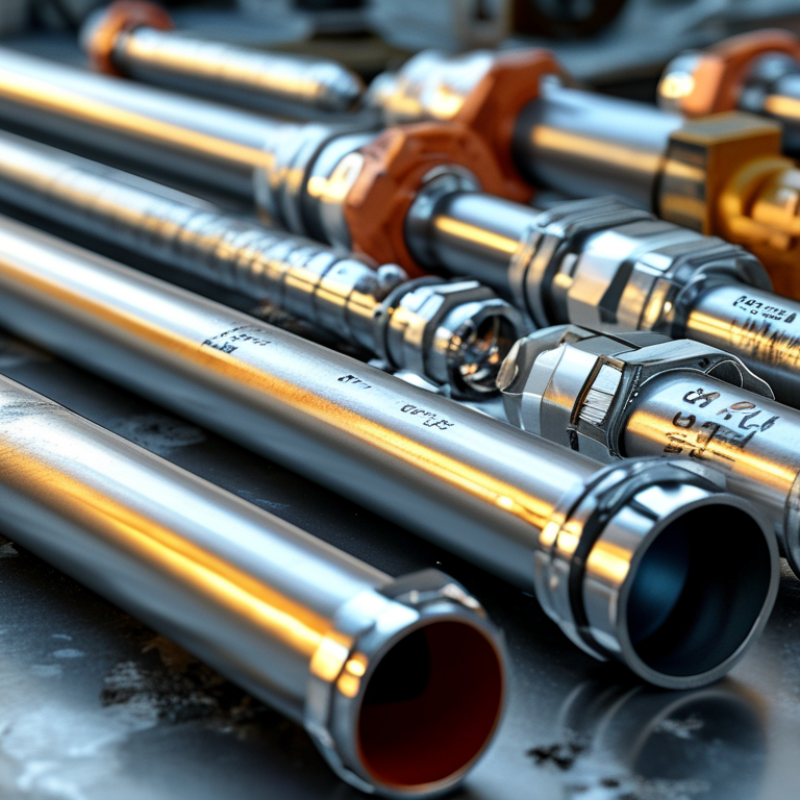
Zirconia tubes have gained significant traction in various high-performance applications, notably in aerospace and medical sectors. Their resistance to wear and tear is unmatched, offering durability in extreme environments. When comparing zirconia to alternative materials, such as metals or plastics, its superior biocompatibility and thermal stability stand out. However, zirconia can be more brittle, which raises questions about its long-term performance under stress.
Alternative materials, like stainless steel or high-performance polymers, provide flexibility and impact resistance. They can withstand considerable force without breaking. This becomes crucial in applications like surgical instruments or fuel systems. Despite this, these materials may lack the thermal resistance found in zirconia tubes. Their performance can degrade at high temperatures, leading to potential failures.
This analysis reveals that each material has advantages and drawbacks. While zirconia offers exceptional performance in specific contexts, its fragility could limit its use. Future research should focus on combining properties from different materials to optimize performance. Balancing toughness and durability remains a challenge.