What is Silicon Carbide Meaning and Its Uses?
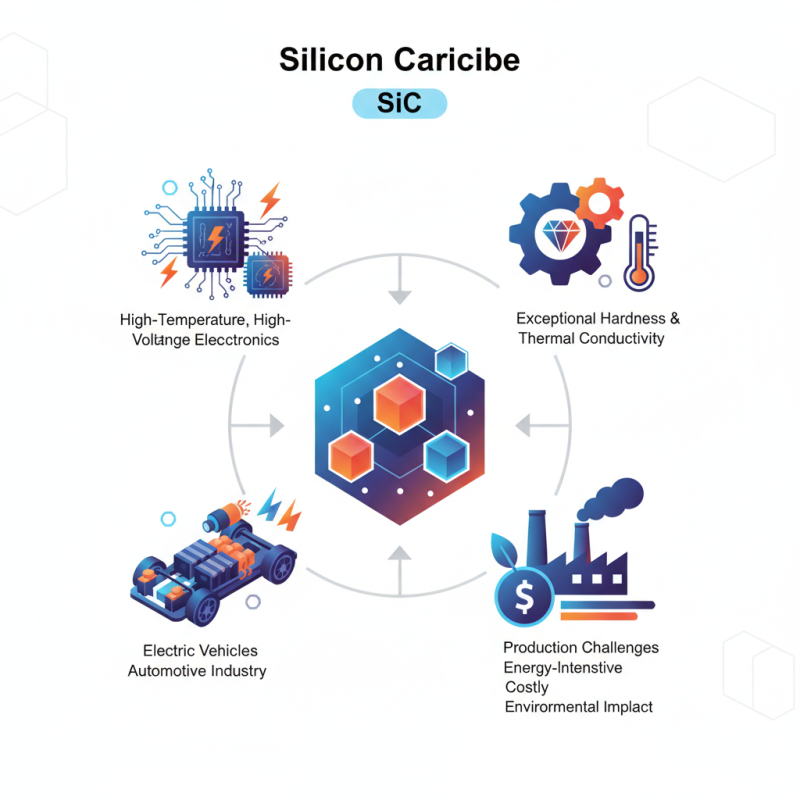
Silicon Carbide, often referred to as SiC, plays a crucial role in various industries. The Silicon Carbide meaning goes beyond its chemical composition; it embodies a unique combination of properties. This material is known for its exceptional hardness and thermal conductivity. Engineers and manufacturers highly value it for these attributes.
In electronics, Silicon Carbide is a game changer. It's often used in semiconductors that operate at high temperatures and voltages. This makes devices more efficient and reliable. Furthermore, the automotive industry is increasingly adopting SiC technology for electric vehicles. The advantages are clear; however, challenges remain in optimizing production methods and refining applications.
Despite its advantages, understanding Silicon Carbide meaning requires careful consideration. Its production can be energy-intensive and costly. As industries evolve, there is an ongoing need to balance efficiency with environmental impact. Addressing these issues will determine Silicon Carbide's future role in technology and manufacturing.
What is Silicon Carbide? Definition and Chemical Properties
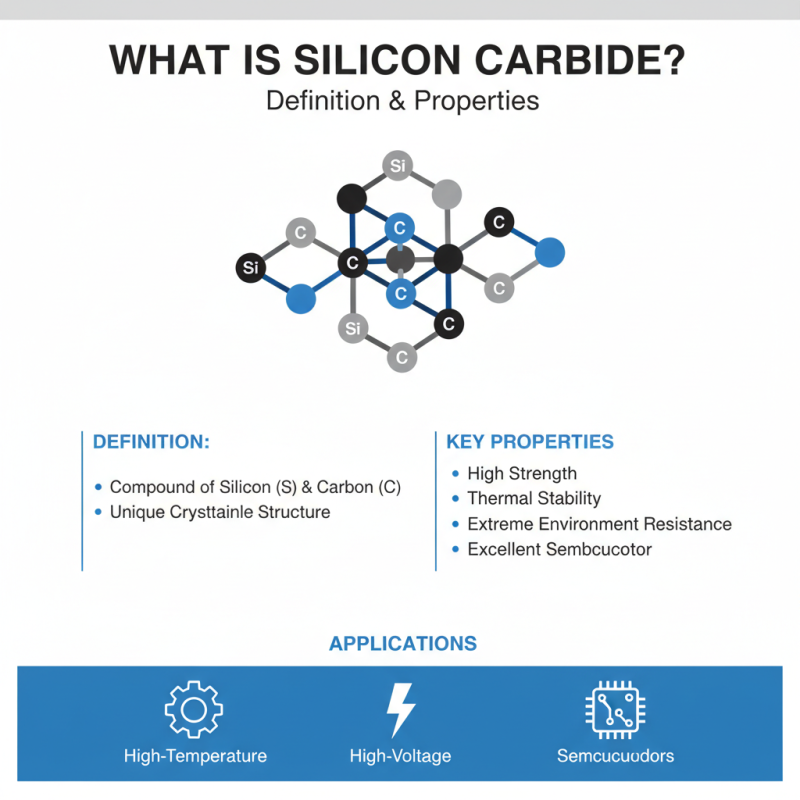
Silicon carbide (SiC) is a compound made of silicon and carbon. It has a unique structure that gives it high strength and thermal stability. SiC is often used in applications requiring durability and resistance to extreme environments. Its crystalline properties make it an excellent semiconductor material, ideal for high-temperature and high-voltage applications.
In terms of chemical properties, silicon carbide is both chemically inert and stable. It does not react easily with acids or alkalis, making it reliable in various environments. This stability is also one reason why SiC is used in abrasive materials. Additionally, SiC plays a crucial role in lighting applications, especially in LED technology. Its ability to conduct electricity efficiently enhances performance in electronic devices.
Despite its many benefits, silicon carbide is not without its challenges. Manufacturing SiC crystals can be complex and costly. The process requires precise control of temperature and pressure, which is not always easy to achieve. Understanding these limitations is essential for optimizing its use in technology. Overall, silicon carbide's advantages and challenges highlight the ongoing need for innovation in materials science.
Historical Development of Silicon Carbide in Industry
Silicon carbide (SiC) has a rich history in industry, beginning in the late 19th century. It was first synthesized by Edward Acheson, who aimed to create a material more durable than the existing alternatives. His process created a vital compound used for abrasives, leading to significant advancements in multiple industries.
Over the decades, silicon carbide found its niche beyond abrasives. Its high thermal conductivity and exceptional hardness made it suitable for cutting tools and refractory materials. In the 1970s, the semiconductor industry began to recognize its potential. SiC devices became important for high-temperature and high-voltage applications, particularly in power electronics. This innovation paved the way for more efficient energy conversion methods.
Tips: When exploring silicon carbide applications, consider its impact on energy efficiency and sustainability. Using SiC in power electronics can lead to reduced energy losses. Additionally, its unique properties allow for innovation in electric vehicles and renewable energy technologies. This material's journey reflects an ongoing quest for improvement and adaptation in industrial applications. Reflect on the legacy and future of silicon carbide, as it continues to shape technology today.
Historical Development of Silicon Carbide in Industry
This bar chart illustrates the annual production of Silicon Carbide (SiC) in terms of thousands of metric tons from 2010 to 2020. Silicon carbide has seen significant growth in production, reflecting its increasing importance in various industries such as electronics, automotive, and renewable energy.
Key Applications of Silicon Carbide in Electronics and Power Devices
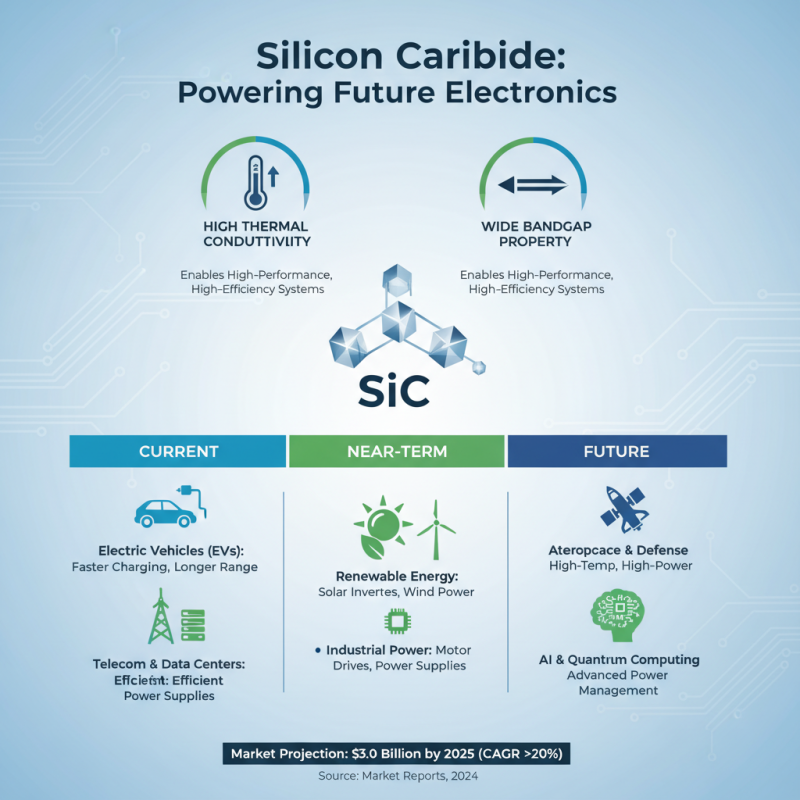
Silicon carbide (SiC) is gaining traction in various electronic and power device applications. Its impressive thermal conductivity and wide bandgap property make it ideal for high-performance systems. According to recent market reports, the global SiC market is projected to reach $3.0 billion by 2025, growing at a CAGR of over 20%. This growth signals a significant shift towards more efficient power solutions in industries such as automotive, telecommunications, and renewable energy.
In power electronics, SiC is revolutionizing the way devices handle energy. For instance, power MOSFETs and diode applications using SiC can operate at higher voltages and frequencies. A 2019 study highlighted that SiC devices exhibit 90% less power loss compared to traditional silicon devices. This efficiency is crucial in electric vehicles (EVs), where power management can enhance the overall driving range.
*Tips:* When considering SiC for applications, assess your system's thermal requirements. SiC's strength is its ability to function under extreme conditions. However, the cost of materials and manufacturing can be high. It’s essential to weigh these factors against the long-term energy savings. Evaluating different SiC suppliers and technologies can lead to more informed decisions.
Silicon Carbide in Automotive Industry: Benefits and Innovations
Silicon carbide (SiC) is gaining prominence in the automotive industry. This material offers unique advantages over traditional materials. Its high thermal conductivity aids in heat dissipation. This property is crucial for electric vehicles (EVs) and hybrid vehicles, ensuring efficient battery performance.
The use of silicon carbide in power electronics is a game-changer. SiC can withstand high voltages and temperatures, making it suitable for demanding applications. This allows for smaller and lighter components, reducing the overall weight of vehicles. However, the initial cost of SiC components is higher than conventional materials. Manufacturers must evaluate cost versus performance carefully.
Innovations in silicon carbide technology continue to emerge. Researchers are exploring ways to improve production efficiency. There are challenges in achieving high-quality SiC crystals. Addressing these issues is essential for widespread adoption. As the automotive sector evolves, SiC's role is expected to grow. Its benefits can enhance vehicle performance and efficiency, but industry stakeholders must navigate potential hurdles.
Market Trends and Future Prospects of Silicon Carbide Production
The silicon carbide (SiC) market is poised for substantial growth. According to a recent report from MarketsandMarkets, the global silicon carbide market was valued at approximately $3.42 billion in 2021. Projections indicate it could reach $7.37 billion by 2026, marking a CAGR of around 16.5%. This surge is driven by the increasing demand for efficient power electronics and high-performance materials in various industries.
Silicon carbide's unique properties make it ideal for high-temperature applications. Its wide bandgap allows devices to operate at higher voltages and temperatures. This is particularly valuable in the automotive sector, where SiC is being adopted for electric vehicles (EVs). A report by ResearchAndMarkets highlights that the EV segment is expected to dominate SiC usage, driven by stricter emission regulations and rising fuel efficiency demands.
Despite these promising trends, challenges persist. The production of high-quality SiC crystals remains complex and costly. Certain manufacturers are still grappling with yield issues and scalability. As the technology progresses, overcoming these barriers will be crucial for meeting the growing demand. Continuous innovation and investment in research are essential to realize silicon carbide's full potential in the marketplace.
What is Silicon Carbide Meaning and Its Uses? - Market Trends and Future Prospects of Silicon Carbide Production
| Property |
Value |
Applications |
Market Growth (%) |
| Chemical Formula |
SiC |
Semiconductors |
15% |
| Hardness |
9.2 on Mohs scale |
Abrasive tools |
12% |
| Thermal Conductivity |
120 W/mK |
LEDs |
20% |
| Bandgap Energy |
3.0 eV |
Power electronics |
18% |
| Global Production (Metric Tons) |
2500 |
Photovoltaics |
25% |