High Purity Alumina Buying Tips for Global Purchasers
High Purity Alumina (HPA) has become a critical material in various industries, including electronics, ceramics, and pharmaceuticals. The global demand for HPA is projected to reach 95,000 tons by 2025, driven by its use in LED lights and lithium-ion batteries. Such demand emphasizes the need for purchasers to have reliable buying strategies in place.
Understanding quality standards is crucial for buyers. HPA must meet specific purity levels—above 99.99%—to ensure optimal performance in applications. Reports indicate that the market for HPA is evolving, but not every supplier can guarantee these standards. Quality variations can lead to production inefficiencies, affecting overall project outcomes.
Another important aspect is price volatility. The pricing for HPA fluctuates due to supply chain dynamics and geopolitical factors. Buyers should remain cautious and informed, analyzing different suppliers carefully. Engaging in long-term contracts and evaluating market trends can help mitigate risks associated with price changes. Ultimately, making informed decisions is essential for securing high-quality HPA that meets the demands of today's competitive landscape.
Understanding High Purity Alumina: Key Characteristics and Applications
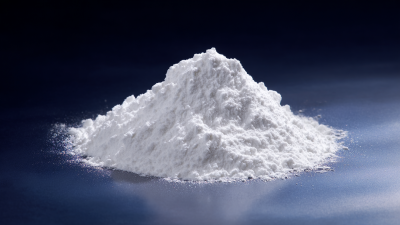
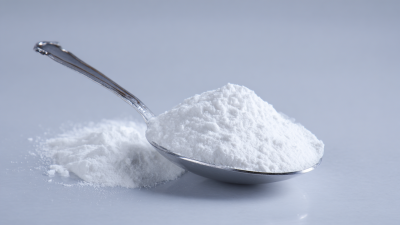
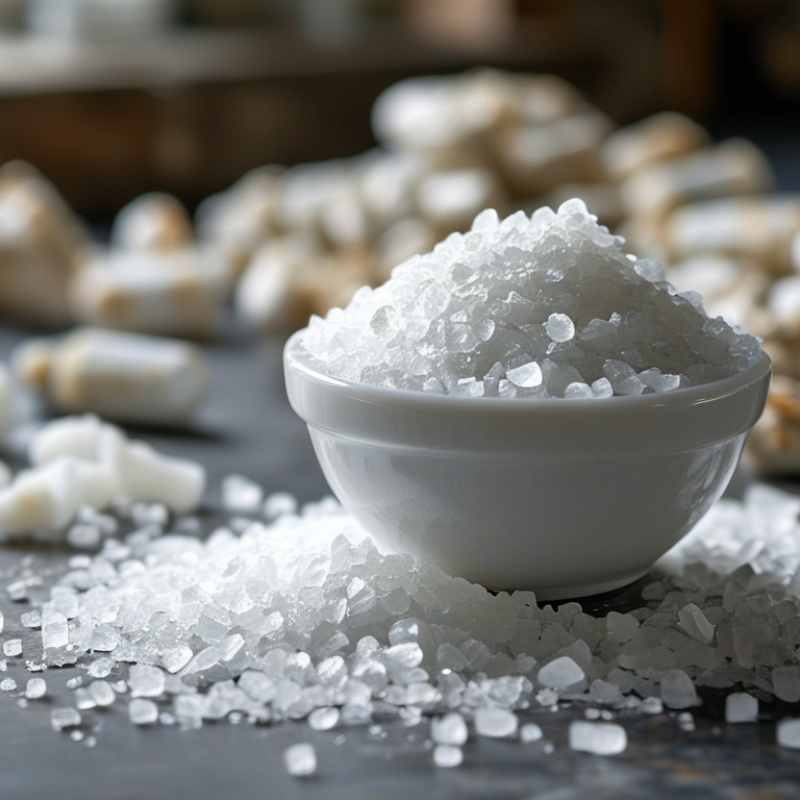
High purity alumina (HPA) is increasingly vital across various industries. It is defined by its high aluminum oxide content, usually above 99.99%. This makes it essential for applications in electronics, ceramics, and battery production. According to market reports, the global HPA market is projected to reach $6.73 billion by 2025, growing at a CAGR of 20.3%. These numbers testify to its rising demand.
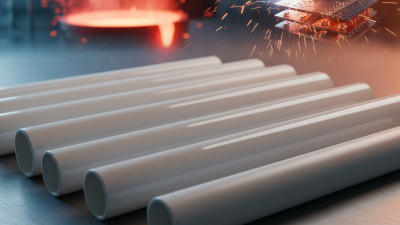
One of the notable characteristics of high purity alumina is its thermal stability. It can withstand high temperatures without degrading. This quality is crucial for high-performance ceramics in industrial applications. However, not all suppliers guarantee the same purity levels. Some may claim high purity but fall short. A proper understanding of production methods is essential to ensure that the purchased alumina meets industry standards.
Another application of HPA is in LED lighting. It plays a critical role in producing sapphire substrates, which are vital for LEDs. The increasing push for energy-efficient lighting solutions has resulted in a surge of interest in HPA. Yet, manufacturers often face challenges in sourcing high-quality raw materials. Such issues can affect the supply chain and lead to inconsistencies. Confirming supplier credentials can mitigate risks in procurement, ensuring the quality of the final product.
Identifying Quality Standards for High Purity Alumina Products
When purchasing high purity alumina (HPA), understanding quality standards is vital. Buyers should look for specific purity levels, often expressed in percentage. High purity alumina must typically exceed 99.99% purity. This ensures minimal contamination and enhances performance in various applications. Buyers frequently overlook this detail, leading to issues in production processes.
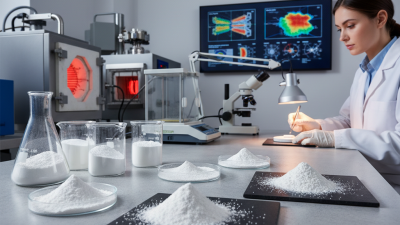
It's essential to evaluate the sourcing and processing methods. HPA derived from high-quality raw materials tends to have better characteristics. Potential suppliers should provide certificates of analysis for their products. These documents verify purity levels and other key properties. Trustworthy vendors should also supply detailed manufacturing flows. This transparency helps purchasers assess the reliability of their sources.
However, not all vendors provide sufficient information. Some may claim high purity without backing it up. This lack of clarity can complicate purchasing decisions. Buyers need to conduct thorough research and use multiple sources for verification. Engaging with industry experts can also offer insights into trusted suppliers. Ultimately, a buyer's vigilance can greatly impact their success in sourcing high quality alumina.
Evaluating Suppliers: Essential Factors for Global Purchasers
When evaluating suppliers for high purity alumina, several essential factors come into play. Start by assessing the supplier's track record. Check their experience in the industry. Look for testimonials and reviews from other clients. This will give you insights into their reliability and product quality. A supplier with a long-standing reputation often indicates stability and consistency.
Next, consider the supplier's production capabilities. It’s important to know how they maintain quality control. Ask about their processing methods and any certifications. Suppliers should be able to provide documentation proving their product’s purity levels. Also, inquire about their sourcing of raw materials. This can impact the purity and overall quality of the alumina.
Finally, price should not be the only consideration. While competitive rates are appealing, the cheapest option may lack quality assurance. Developing a good relationship with suppliers can lead to better service and more favorable terms in the long run. Reflect on your own needs and how the supplier meets them. Balancing cost, quality, and reliability is crucial for making informed purchasing decisions.
High Purity Alumina Supplier Evaluation
Pricing Considerations: Cost Factors in High Purity Alumina Acquisition
When considering high purity alumina (HPA), various cost factors can significantly influence purchasing decisions. The production process is complex, often involving multiple stages. Factors like raw material quality and energy consumption are critical. Higher purity levels typically come with a price increase, reflecting the advanced technology used in purification.
Transportation and storage costs also play a role. HPA is often sensitive to contamination, necessitating careful handling. Furthermore, sourcing from different regions may yield price variations due to local market dynamics. Suppliers might charge more based on their logistical capabilities and proximity to production sites.
Market trends can shift prices unexpectedly. Keeping abreast of industry news is crucial to avoid pitfalls. Monitoring fluctuations can offer insights into optimal buying times. Many buyers overlook these aspects. Ignoring them can lead to overspending or inadequate material quality. A well-rounded understanding enhances purchasing strategies.
Logistics and Delivery: Best Practices for Sourcing High Purity Alumina
When sourcing high purity alumina, logistics and delivery play a crucial role in the supply chain.
Efficient transportation is key to reducing overall costs. Poor logistics can lead to delays, affecting production schedules. It's vital to choose suppliers with
proven track records in timely deliveries. Ensure they have a solid network for handling shipments effectively.
Understanding the packaging and handling of high purity alumina is critical. The material requires specialized containers to prevent contamination.
Suppliers should provide detailed information on how their products are packaged. This minimizes risks during shipping.
Developing a strong relationship with logistics partners can enhance reliability. Open communication helps to address challenges quickly,
ensuring your supply remains uninterrupted.
Lastly, consider the geographic location of your supplier. Proximity can significantly influence delivery times.
Local suppliers may offer quicker response times for urgent needs. Yet, don’t overlook international options if they provide superior quality or competitive pricing.
Balancing these factors can be complex, requiring ongoing assessment. Monitoring the logistics process regularly can help identify areas for improvement.