7 Tips for Buying Alumina Plate
Buying an Alumina Plate is not simply a matter of choosing the highest purity or lowest price. The correct decision depends on heat, load, thickness, surface finish, and the working environment. A plate used beneath a furnace sample faces different risks from one used as an electrical insulator. Small details matter.
Ceramic materials expert Professor A. G. Evans emphasized, “The largest flaw controls the strength of a ceramic.” This warning deserves attention. A polished surface may hide edge damage. A thick plate may still crack after uneven heating. Before ordering, buyers should verify alumina content, dimensional tolerance, flatness, thermal-shock resistance, and test documentation. Ask how the supplier measures these values. Do not trust impressive numbers without conditions.
The seven tips in this guide focus on practical buying decisions. They explain how to match grade with operating temperature, estimate load capacity, inspect surface quality, and compare supplier evidence. Packaging also matters. One chipped corner can ruin an otherwise suitable plate. Delivery consistency matters too, especially for repeated production.
There is no perfect specification.
A cheaper Alumina Plate can become expensive after premature failure. Conversely, an ultra-high-purity grade may offer little benefit in a routine application. This is where judgment becomes important. Review drawings, operating cycles, and failure history together. If information is missing, pause before purchasing. That extra question may prevent a cracked plate, delayed production, and an uncomfortable lesson.
Understand Alumina Plate Types and Material Grades
7 Tips for Buying Alumina Plate
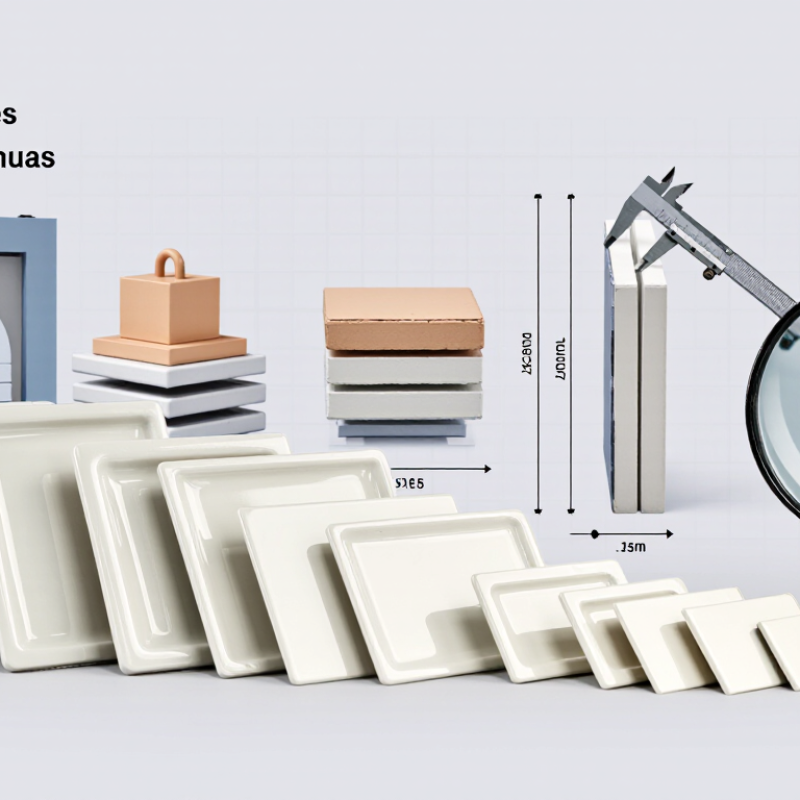
Alumina plate types differ in purity, density, surface finish, and intended service. Standard grades often contain 85% to 96% alumina. High-purity grades may reach 99.5% or higher. More alumina usually improves chemical stability and insulation. It can also increase cost and make machining more difficult. Check whether the plate is dense, porous, wear-resistant, or designed for electrical use. These labels can vary between suppliers, so request the actual composition.
Material grade affects performance more than a product name. Compare hardness, flexural strength, dielectric strength, thermal conductivity, and maximum operating temperature. A 92% grade may suit general furnace fixtures. A 99.5% grade may be better for severe chemical exposure or high-purity laboratory work. Do not choose by purity alone. Thermal shock resistance may matter more than maximum temperature. A plate that survives heat can still crack during sudden cooling.
Ask for thickness tolerance, flatness, surface roughness, and firing shrinkage data. Inspect the edges for chips, especially around drilled holes. Request a sample when the plate will support a seal, heater, or precision component. Supplier certificates should identify the test methods and production lot. Be cautious with vague grades. “High alumina” is not a complete specification. I would also recheck the design after testing, because calculated strength may not reflect real mounting stress. Small contact points can create surprising cracks.
Match Plate Properties to Your Operating Conditions
Alumina plate performs best when its properties match the working environment.
Tip: Check operating temperature before choosing a grade. High heat can change strength, surface stability, and dimensional accuracy.
Tip: Confirm the required hardness and wear resistance. A plate facing abrasive powder needs a different balance than one supporting a gentle process.
Think about the load.
Tip: Measure chemical exposure carefully. Acids, alkalis, solvents, and molten materials may affect alumina differently.
Tip: Match thickness to bending and impact risks, not only static load. Thin plate may look efficient, yet it can crack during installation.
Tip: Review thermal shock conditions. Repeated heating and cooling can create hidden stress, especially around holes and sharp corners. This is often underestimated.
Tip: Specify surface finish according to contact needs. A smooth surface helps cleaning, while a textured surface may improve grip.
Tip: Check tolerances and flatness before fabrication. Poor fit can cause uneven pressure and early failure.
In practice, people sometimes focus too heavily on purity and overlook mounting details. I have seen a carefully selected plate perform poorly because fasteners created local stress. Ask for test data, inspect the edges, and verify performance under conditions close to actual use. Properties matter only when they fit the process.
Evaluate Supplier Quality, Certifications, and Custom Options
7 Tips for Buying Alumina Plate
Evaluate Supplier Quality, Certifications, and Custom Options
When buying alumina plate, supplier evaluation should begin with measurable quality, not attractive product photos. Ask for alumina purity, density, hardness, dielectric strength, and flexural strength. These values reveal whether the plate fits an insulator, wear part, or high-temperature assembly. Request a batch-specific inspection report. Generic data sheets are useful, but they cannot prove every shipment matches the stated grade.
A credible supplier can explain its quality system and provide current certification records. ISO 9001 registration may support process control, while material test reports confirm the actual lot. Check certificate numbers, issuing bodies, validity dates, and document consistency. Traceability matters. Each plate should connect to a batch number, inspection result, and packing record. In practice, a flawless sample can hide inconsistent production. A polished certificate is not enough. Ask how nonconforming material is identified and replaced.
Custom work should be discussed before approving the quote. Provide a clear drawing with thickness, hole locations, chamfers, surface finish, and dimensional tolerances. Confirm whether machining uses green-state processing, diamond grinding, or another method. Ask how each method affects edge quality and final dimensions. Do not accept every promised tolerance without evidence. I once treated a supplier’s verbal assurance as enough, and rework cost more than the original saving. A small test order can reveal packaging weakness, chipping, or uneven surfaces before full production.
Compare Pricing, Lead Times, Packaging, and After-Sales Support
7 Tips for Buying Alumina Plate
Tip 1: Compare quotes by grade, purity, thickness, tolerance, and machining scope. A low unit price can hide grinding, testing, or export costs. The USGS Mineral Commodity Summaries 2025 places global alumina output near 140 million tonnes in 2024, but energy and raw-material costs still influence regional pricing. Tip 2: Request a complete price basis. Confirm whether it includes inspection, crates, insurance, and delivery.
Tip 3: Ask for production and shipping lead times separately. UNCTAD’s Review of Maritime Transport 2024 reported that Suez Canal container traffic fell sharply during disruption periods, increasing rerouting pressure and transit uncertainty. Add a realistic buffer. I once treated the quoted date as fixed; that was too simple. Tip 4: Require written milestones, especially for custom dimensions or lapped surfaces. Tip 5: Inspect the packaging plan. Alumina plates need rigid separators, corner protection, moisture control, and clear labels. Photograph the crate before opening it.
Tip 6: Check after-sales support before payment. Request a certificate of analysis, lot traceability, dimensional records, and a defined claims period. ISO 2859-1 sampling can support a consistent incoming inspection plan. Tip 7: Clarify replacement rules for chips, cracks, warpage, and wrong dimensions. Good support should provide evidence, not vague promises. Leave one question unanswered only after documenting why.
7 Tips for Buying Alumina Plate: Procurement Priorities
This chart shows a practical buyer evaluation model for alumina plate procurement. Product quality and technical fit should be assessed alongside total cost, lead time, packaging protection, documentation, customization, and after-sales support before placing an order.