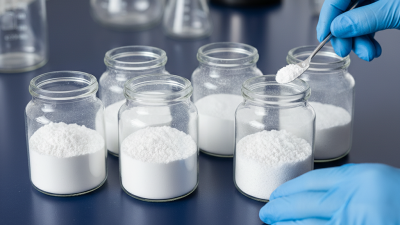
Choosing the right Alumina Plate can greatly impact the success of your project. These plates are essential in various industries, from electronics to aerospace. Understanding the properties and applications of Alumina Plates allows you to make informed decisions.
Consider the intended use of the Alumina Plate. Its hardness and thermal stability are crucial in high-temperature applications. However, not all plates are created equal. Variations in composition and thickness can lead to unexpected results.
Think about the environment in which the plate will function. Will it face chemical exposure or extreme temperatures? Your choice should reflect these conditions. It's easy to overlook such details, but they can determine the plate's longevity and effectiveness. Review specifications carefully, and consult with experts when in doubt. This approach ensures you select the right Alumina Plate for your needs.
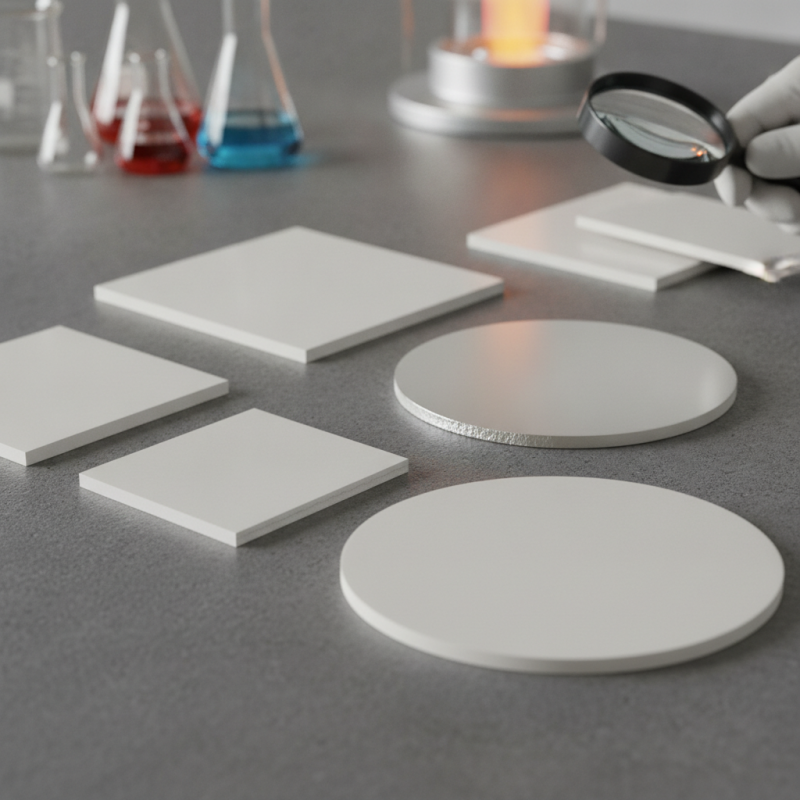
Alumina plates are increasingly used in various industries due to their impressive properties. These ceramics exhibit high hardness, low thermal conductivity, and excellent chemical resistance. According to a report by MarketsandMarkets, the global alumina ceramics market is expected to reach USD 7.5 billion by 2025, driven by the growing demand from electronics and aerospace sectors.
When selecting the right alumina plate, it's crucial to consider their application. For example, in aerospace, plates with high wear resistance are preferred. In electronics, thinner plates that offer high dielectric strength are essential. Understanding these specifics can lead to better performance in your projects.
Tip: Always check the alumina content in the plate. Higher alumina content typically means better mechanical strength and thermal stability. Also, evaluate the grain size; finer grains provide enhanced toughness and durability. These factors directly impact the efficiency and longevity of the plates in their intended applications.
Remember, every choice matters. Sometimes, there may be trade-offs between hardness and brittleness, which can affect overall performance. Seek expert guidance to navigate these complexities effectively in your selection process.
When selecting alumina plates, understanding the distinct types is crucial. Alumina plates come in various grades, each tailored for specific applications. For instance, high-purity alumina plates feature a minimum 99.5% purity, ideal for industries requiring chemical resistance. These plates are often used in laboratory settings or electronic components.
Alternatively, some alumina plates offer enhanced mechanical strength. These plates can withstand high temperatures and physical stress, making them suitable for aerospace and automotive applications. However, one must consider trade-offs. Higher strength plates may sacrifice some chemical properties or require different fabrication techniques.
Identifying your specific needs is critical. You might find yourself asking: Which properties matter most? Resistance to heat, chemicals, or strength? The answers will guide your choice. Engaging with material experts can also provide insights, though it might feel overwhelming at times. Realizing that the best option isn’t always immediately clear is part of the process. Each type of alumina plate has advantages and drawbacks that require thoughtful consideration.
| Type of Alumina Plate | Alumina Content (%) | Typical Applications | Thickness Range (mm) | Price Range ($/sqm) |
|---|---|---|---|---|
| 99% Alumina Plate | 99.0 | High-Temperature Applications, Electrical Insulation | 1-30 | $50 - $200 |
| Alumina-Ceramic Plate | 95-99 | Wear Resistance, Aerospace Applications | 2-25 | $70 - $250 |
| High Purity Alumina Plate | 99.5 | Semiconductor Components, Optical Devices | 1-20 | $100 - $300 |
| Alumina Composite Plate | Varies | Ballistic Protection, Structural Components | 5-40 | $80 - $400 |
Choosing the right alumina plate is crucial for various applications. When selecting alumina plates, one must consider several key factors. These include composition, thickness, and surface finish. Each of these elements can significantly impact performance.
Alumina plates come in different compositions. Higher purity often means better strength and wear resistance. However, it also tends to be more expensive. Balancing budget considerations with performance needs is essential. Be mindful of how specific compositions match your application requirements.
Thickness is another critical factor. Thicker plates generally offer greater mechanical strength. However, they can also add weight and cost. Choosing the right thickness requires understanding load conditions and environmental factors. The surface finish is equally important. A smooth surface can improve performance in certain applications but may raise costs. Always reflect on how these choices align with your project’s goals and constraints. Be prepared to reassess your decisions as conditions change.
When selecting alumina plates, assessing quality and performance standards is crucial. Various specifications define the properties of these materials. Key factors include purity levels, mechanical strength, and thermal stability. The density of alumina can significantly impact its durability. High-density alumina usually offers better performance under stress.
Consider evaluating the manufacturing processes used in creating the alumina products. Reliable suppliers often adopt advanced techniques, ensuring consistency in quality. Not all suppliers maintain the same standards. Therefore, researching their practices can lead to better purchasing decisions. Independent testing can provide insights into the product’s capabilities.
Visual inspection can also reveal inconsistencies. Look for smooth finishes and uniform thickness. Even minor defects can affect performance. It’s essential to understand these factors when choosing alumina plates. Going beyond just price will yield better long-term value.
When purchasing alumina plates, budget planning is crucial. Start by determining your specific needs. What application will the plate serve? This shapes your budget. Alumina comes in various grades. Higher grades typically cost more but offer better performance.
Consider additional costs that might arise. Shipping fees, custom cutting, and surface treatments can impact your total spend. Don't ignore these aspects. It’s easy to underestimate them. Research suppliers thoroughly. Some may offer lower prices but lack quality assurance.
Comparing quotes is essential. Keep in mind that the cheapest option may not always be the best. Quality issues can lead to higher long-term costs. Evaluate the long-term value of your purchase. Sometimes, investing a bit more up front pays off in durability and reliability. Allow for some flexibility in your budget to accommodate unexpected expenses.
This bar chart illustrates the average costs associated with different thicknesses of alumina plates, helping buyers to make informed purchasing decisions based on their budget.