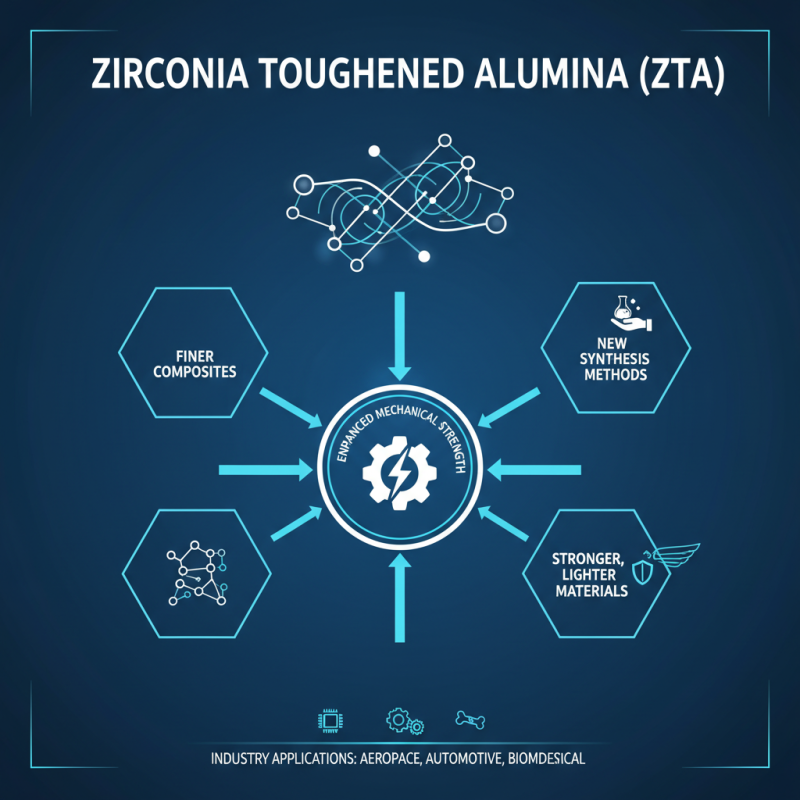
What is Zirconia Toughened Alumina and Its Benefits?
Zirconia Toughened Alumina (ZTA) is a composite material that combines the best properties of alumina and zirconia. This unique blend enhances toughness, strength, and wear resistance. Manufacturers and researchers have explored its applications across various industries, from dental ceramics to aerospace components.
The benefits of Zirconia Toughened Alumina are compelling. Its high fracture toughness makes it ideal for cutting tools and wear parts. In dental applications, ZTA provides both aesthetic appeal and durability. However, challenges remain, particularly in production consistency and material costs. The journey to fully harness ZTA’s potential continues.
Understanding Zirconia Toughened Alumina is essential for professionals in material science. Its development reflects ongoing innovations in engineering. As we explore its capabilities, we also need to think critically about its limitations. This reflection can lead to better applications and advancements in materials technology.
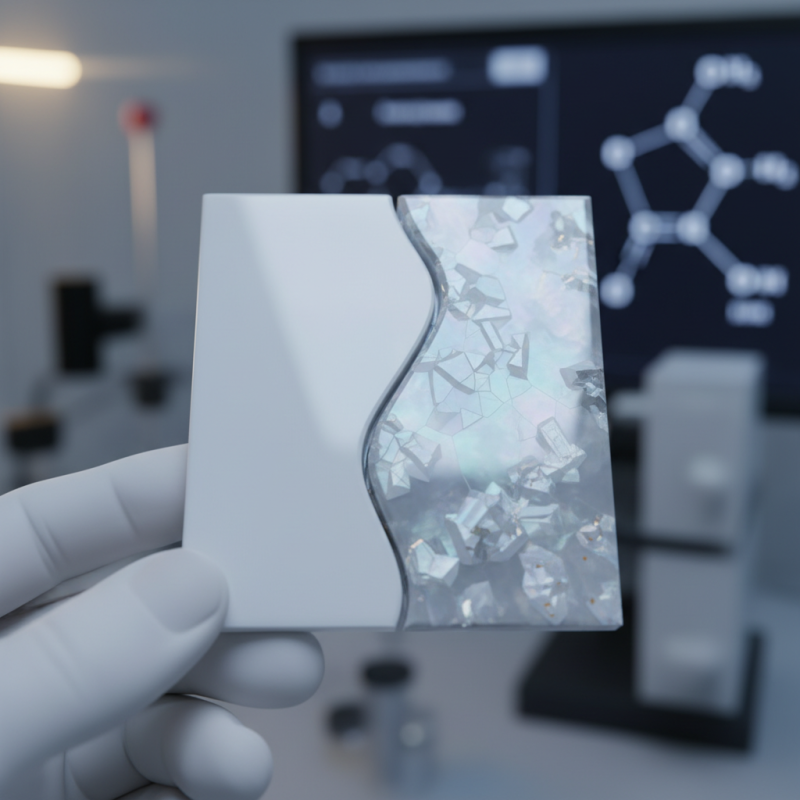
What is Zirconia Toughened Alumina?
Zirconia Toughened Alumina (ZTA) is a composite material combining alumina and zirconia. This unique blend enhances toughness while maintaining the high wear resistance of alumina. According to industry reports, ZTA exhibits a fracture toughness of 5-10 MPa·m^1/2, significantly improving its durability compared to conventional alumina.
The elasticity and thermal stability of ZTA make it suitable for various applications, including cutting tools and dental ceramics. In laboratory tests, ZTA displays a flexural strength exceeding 700 MPa, highlighting its robustness in demanding environments. This strength is essential for industries that require materials to withstand high stress and wear.
However, producing ZTA requires precise control over the synthesis process. The interaction between alumina and zirconia must be optimized to achieve the desired properties. Therefore, unnecessary variances in the manufacturing process can lead to subpar performance. Although ZTA is superior in toughness, its cost can be higher due to the materials and techniques involved, posing challenges for widespread adoption.
Composition and Structure of Zirconia Toughened Alumina
Zirconia Toughened Alumina (ZTA) is a composite material that blends zirconia with alumina to enhance its properties. The main composition consists of 80% alumina and up to 20% zirconia. This balance optimizes strength and toughness. According to the International Journal of Applied Ceramic Technology, ZTA can exhibit a significant increase in fracture toughness, making it suitable for various industrial applications.
The microstructure of ZTA is critical. Zirconia particles are dispersed within the alumina matrix. This unique structure creates a phase transformation zone during stress, absorbing energy and resisting crack propagation. Research from the Journal of Materials Science highlights that this mechanism can increase the toughness of ZTA by approximately 30% compared to pure alumina. However, the synthesis process is not without challenges; achieving uniform distribution of zirconia throughout the alumina matrix can lead to inconsistencies.
In practical applications, ZTA is commonly used in cutting tools and dental ceramics. Its superior hardness and wear resistance are beneficial characteristics. A study by the International Federation for Structural Concrete indicates that ZTA can resist wear and remain stable under high temperatures. Despite these advantages, manufacturers must continuously refine the processing techniques to minimize defects and optimize the performance of ZTA in demanding environments.
Benefits of Zirconia Toughened Alumina in Industrial Applications
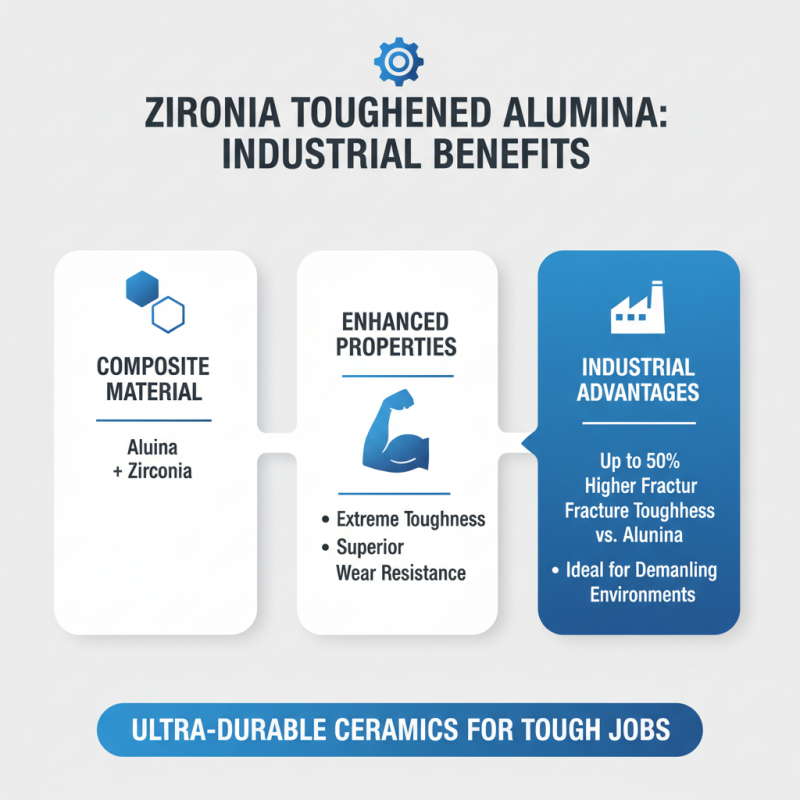
Zirconia toughened alumina (ZTA) is a composite material that combines zirconia and alumina. This blend dramatically enhances the mechanical properties of ceramics. In industrial applications, ZTA is highly valued for its exceptional toughness and resistance to wear. Studies suggest that ZTA can exhibit a fracture toughness increase of up to 50% compared to traditional alumina, making it a superior option for demanding environments.
In the manufacturing sector, ZTA finds diverse applications, especially where durability is crucial. For instance, it is used in cutting tools and wear-resistant parts. The hardness of zirconia, combined with the strength of alumina, allows for longer tool life and better performance. Industry reports indicate that ZTA parts can last up to three times longer than their non-toughened counterparts. This translates to reduced downtime and operational costs, which is vital for continuous production lines.
Despite its advantages, ZTA can present challenges in processing. The complexity of manufacturing ZTA can lead to inconsistencies in material properties. Additionally, the costs associated with its production can be higher than traditional materials. Companies must weigh these factors against the potential benefits of enhanced performance and longevity. Some manufacturers might overlook these complications, leading to unexpected issues in quality control.
Comparative Analysis with Other Ceramic Materials
Zirconia Toughened Alumina (ZTA) stands out in the realm of ceramic materials. This composite combines alumina's high strength with zirconia's toughness. When compared to traditional ceramics, ZTA exhibits superior fracture toughness and wear resistance. These properties make it a remarkable choice in dental applications and industrial settings.
In a comparative analysis with other ceramics like porcelain and silicon carbide, ZTA offers distinct advantages. Porcelain, while aesthetically pleasing, lacks the mechanical strength required for demanding applications. Silicon carbide, on the other hand, excels in hardness but can be brittle. ZTA strikes a balance between durability and toughness, making it a versatile option. Its performance in high-stress environments showcases its reliable nature.
While ZTA has clear benefits, there are areas for refinement. The manufacturing process can result in variability in properties. Achieving consistent quality is a challenge. Addressing these concerns is essential for expanding ZTA's applications in various industries. As we explore further, understanding the nuances of ZTA's performance against other ceramics will lead to improved material selections in the future.
Comparison of Zirconia Toughened Alumina with Other Ceramic Materials
This chart compares the flexural strength of Zirconia Toughened Alumina (ZTA) with other ceramic materials including Alumina, Zirconia, Silicon Nitride, and Titanium Diboride. ZTA exhibits superior flexural strength, making it an attractive choice for various applications.