Why Choose Zirconia Toughened Alumina for Your Applications?
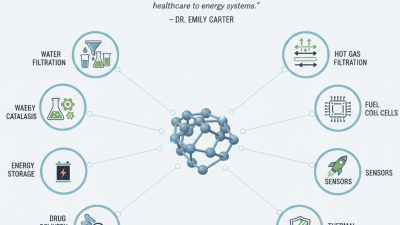
In the world of advanced materials, Zirconia Toughened Alumina stands out due to its superior properties. Dr. Emily Carter, an expert in ceramic engineering, states, "Zirconia Toughened Alumina combines strength and toughness remarkably." This makes it an excellent choice for various demanding applications, from automotive to medical devices.
Zirconia Toughened Alumina is known for its ability to resist wear and deformation. Its unique composition enhances stability under stress. The integration of zirconia not only improves toughness but also ensures resilience against harsh environments. Users frequently notice longer lifespans and lower maintenance costs, yet misconceptions about this material still exist.
Despite its advantages, the adoption of Zirconia Toughened Alumina isn't universal. Some industries hesitate due to cost or lack of understanding. It's essential to reflect on these challenges and address them openly. As innovations continue, exploring the full potential of this remarkable material remains critical.

Applications of Zirconia Toughened Alumina in Various Industries
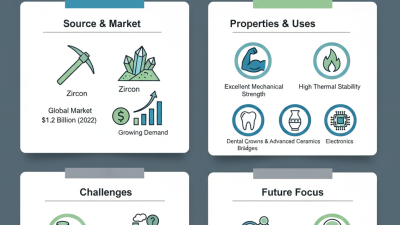
Zirconia toughened alumina (ZTA) stands out in various industries due to its remarkable properties. This biomaterial combines high strength with enhanced toughness. Its hardness and wear resistance make it ideal for applications in the automotive and aerospace sectors. According to research by the International Journal of Ceramic Engineering and Science, ZTA has a significant reduction in wear rates, showing a decrease of up to 50% compared to other ceramics.
In the medical field, zirconia toughened alumina is used in dental implants and prosthetics. The material’s biocompatibility ensures patient safety and longevity of devices. Studies indicate that ZTA can withstand high loads without fracturing, making it a reliable choice. Meanwhile, in the electronics industry, ZTA is utilized for its electrical insulation properties. It exhibits a dielectric strength of about 20 kV/mm, allowing it to function effectively in insulating applications.
Despite its advantages, the production process can be complex and costly. The need for precise control during sintering can lead to variability in quality. Manufacturers must continuously evaluate their methods to minimize defects and ensure consistency. As industries demand more durable materials, the challenge lies in balancing performance with cost-effectiveness.
Advantages of Zirconia Toughened Alumina Over Traditional Materials
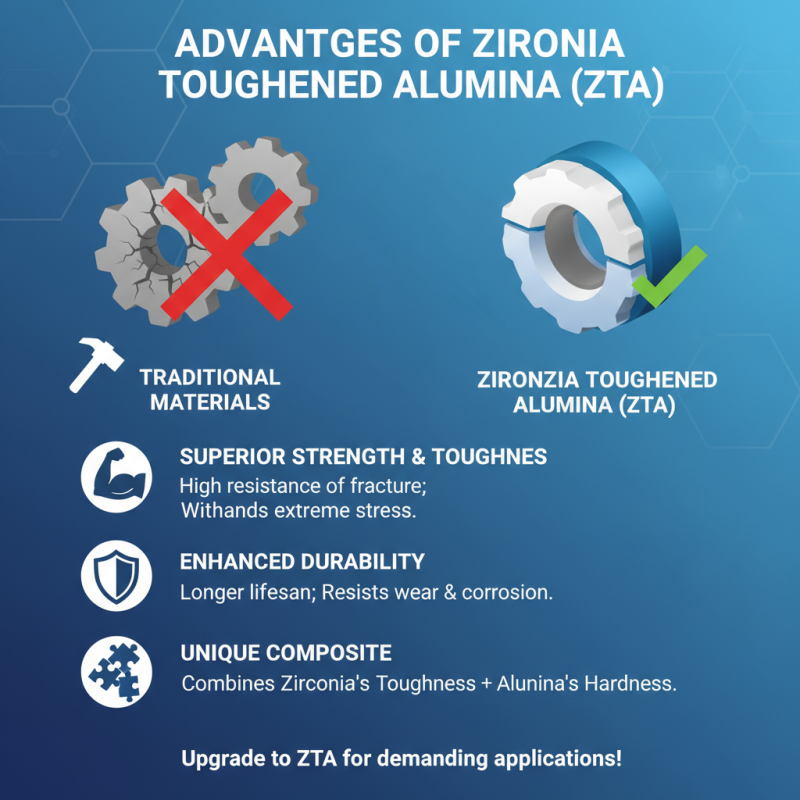
Zirconia toughened alumina (ZTA) stands out in various applications due to its exceptional mechanical properties. This composite material boasts high toughness and strength. It effectively combines the benefits of zirconia's toughness with alumina's hardness. This unique blend translates to a longer lifespan in demanding environments.
One significant advantage of ZTA is its resistance to wear and abrasion. These characteristics make it ideal for applications like cutting tools and grinding media. Unlike traditional ceramics, which may fail when stressed, ZTA maintains its integrity under pressure. However, this advantage also creates challenges. The production of ZTA can be complex and require careful control of composition and processing.
Thermal stability is another key benefit of zirconia toughened alumina. This material can withstand high temperatures, making it suitable for various industrial sectors. Despite its strengths, ZTA may not be the perfect fit for every scenario. Certain environments could lead to unexpected reactions or degradation. A proactive approach to material selection is essential. Understanding the specific demands of your application will yield the best results.
Mechanisms Behind the Toughness of Zirconia Toughened Alumina
Zirconia Toughened Alumina (ZTA) is a robust composite material. Its toughness arises from several mechanisms. At the core, zirconia particles are embedded within alumina. This combination enhances crack resistance. As a crack begins to form, the zirconia undergoes a phase transformation. This transformation absorbs energy, effectively stopping the crack from propagating. The result is a material that can endure significant stress.
Tips: Consider the specific requirements of your application. The microstructure of ZTA plays a vital role in its performance. Fine-tuning these parameters can lead to improved results.
Additionally, grain size affects toughness. Smaller grains tend to yield stronger materials. Yet, finding the right balance is crucial. Too small a grain can lead to brittle behavior. On the flip side, larger grains may reduce toughness. Evaluating these trade-offs is important in material selection.
Tips: Always consult with experts during the design phase. Their insights could prevent costly mistakes. Understanding the processing methods is also essential. Each method can influence the material’s ultimate toughness and reliability.
Factors to Consider When Selecting Zirconia Toughened Alumina
When considering materials for demanding applications, Zirconia Toughened Alumina (ZTA) stands out. This composite ceramic combines the strength of zirconia with the stability of alumina. Understanding the key factors for selecting ZTA can lead to better performance in various industries.
One critical factor is the mechanical properties of ZTA. According to a recent industry report, ZTA exhibits a flexural strength greater than 600 MPa, making it suitable for high-stress environments. Additionally, its toughness can be up to 50% higher than traditional alumina. This enhanced performance is vital in industries like aerospace and biomedical. The material also showcases excellent wear resistance, which is essential for applications like cutting tools and wear components.
Tip: Always evaluate the specific conditions of your application. Consider factors like temperature, load, and environment. Understanding these elements will help you choose the right ZTA formulation.
Another important aspect is the thermal stability of ZTA. It maintains its properties even at elevated temperatures, usually up to 1200°C. This characteristic is useful in furnace linings and other heat-intensive applications. However, not all ZTA grades perform equally under temperature fluctuations. A thorough analysis of your project's requirements is vital.
Tip: Consult with a materials engineer to discuss your project specifics. Professional input can guide you towards optimizing your choice of ZTA, minimizing risks, and enhancing performance.
Future Trends and Innovations in Zirconia Toughened Alumina Technology
Zirconia toughened alumina (ZTA) is continuously evolving. Innovations in this material are addressing the need for higher toughness and wear resistance in various applications. Recent advancements focus on improving microstructure and enhancing durability. Research shows that manipulating the composition can lead to greater toughness. This is crucial for industries like aerospace and automotive, where performance is essential.
Tips: Consider the specific application requirements before selecting ZTA. Different formulations may yield distinct performance outcomes. Testing small samples can help understand the material's behavior under stress.
Future trends in ZTA technology also include the integration of nanotechnology. By incorporating nanoparticles, researchers aim to enhance mechanical properties further. This can result in lighter, more efficient components with improved wear resistance. However, there are challenges in scalability and production costs. These need careful consideration before widespread adoption.
Tips: Stay updated on the latest research and trends in ZTA technology. Understanding advancements can help you make informed decisions. Collaborating with material scientists may uncover new opportunities for your projects.
Why Choose Zirconia Toughened Alumina for Your Applications?