What is Zirconia Powder and How is it Used?
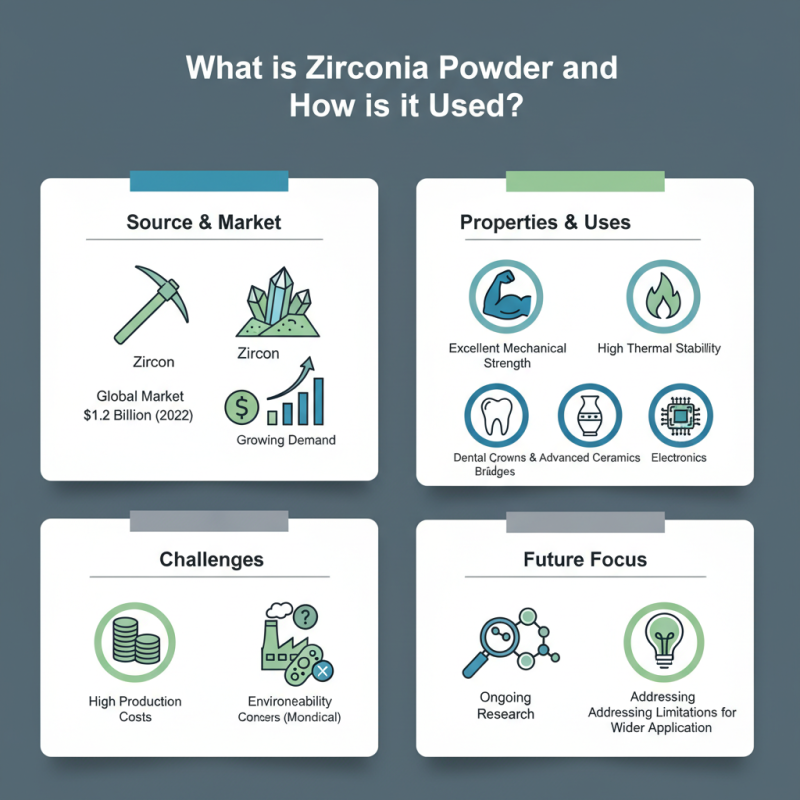
Zirconia Powder, a key industrial material, has gained attention for its unique properties. It is produced from zircon, a naturally occurring mineral. According to a recent market analysis by Grand View Research, the global zirconia powder market was valued at approximately $1.2 billion in 2022. The demand is projected to grow significantly due to its applications in ceramics, dental materials, and electronics.
This powder exhibits excellent mechanical strength and thermal stability, making it suitable for various sectors. In the dental industry, for example, it is widely used for crowns and bridges due to its aesthetic appeal and durability. However, high production costs and environmental concerns related to mining need reflection.
Additionally, while Zirconia Powder shows potential in biomedical applications, challenges remain in biocompatibility. Understanding these nuances is crucial for advancing its use. Despite its advantages, ongoing research must address the limitations tied to its widespread application.
What is Zirconia Powder?
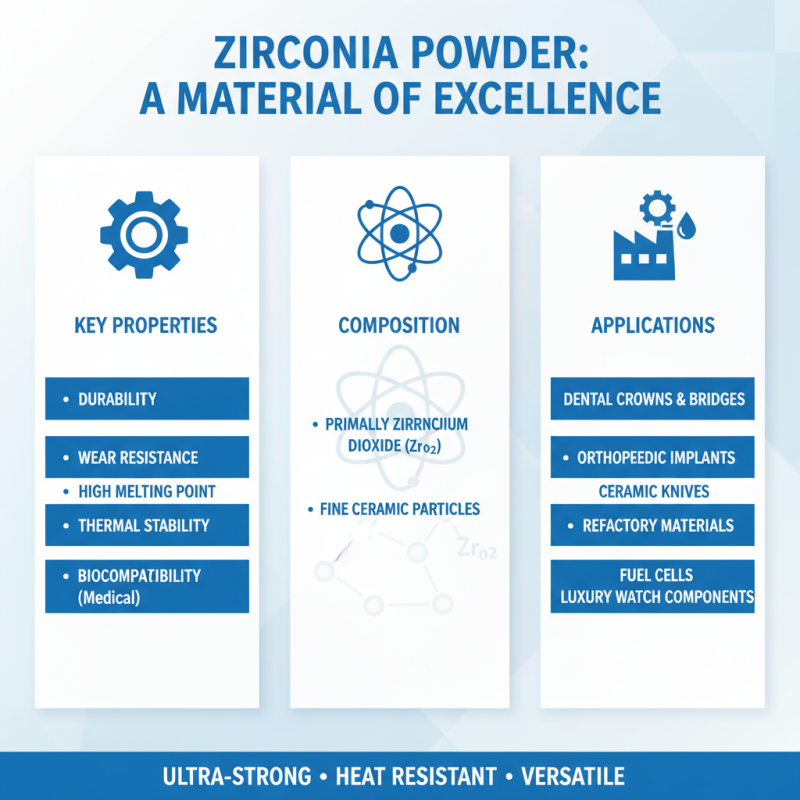
Zirconia powder, composed primarily of zirconium dioxide, is a remarkable material. It is known for its durability and resistance to wear. These properties make it ideal for various applications. In many industries, zirconia powder is favored for its high melting point and thermal stability.
This powder is used in ceramics, dental applications, and even thermal barriers. Dentists often utilize zirconia for crowns and bridges due to its aesthetic appeal. The bright whiteness mimics natural teeth, which is beneficial for patients needing cosmetic work. In ceramics, its strength enhances the lifespan of products, from tiles to advanced components in engineering.
However, working with zirconia powder has its challenges. The material can be difficult to process and requires specialized techniques for shaping and sintering. If not handled properly, it may lead to inconsistencies in the final product. Understanding these nuances is essential for achieving the desired results. As industries continue to explore zirconia's potential, more research is needed to optimize its use effectively.
The Properties and Characteristics of Zirconia Powder
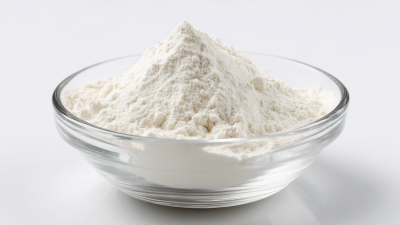
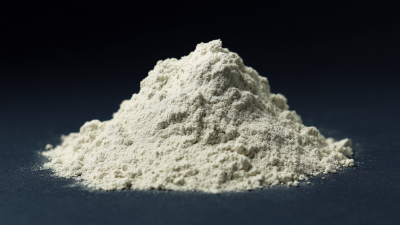
Zirconia powder, known for its remarkable properties, plays a vital role in various industries. This fine white powder, derived from zirconium, showcases exceptional hardness and thermal stability. It is often used to produce ceramics, dental restorations, and cutting tools. With a melting point of over 2,500 degrees Celsius, zirconia is favored for high-temperature applications.
The characteristics of zirconia powder contribute to its versatility. It has high fracture toughness, making it ideal for dental applications. According to a recent report by the Materials Research Society, zirconia components can outlast metal in many dental scenarios. However, challenges remain. The material can be prone to phase transformations under certain conditions, potentially affecting performance.
Tips: When working with zirconia powder, ensure proper handling to avoid contamination. Additionally, consider the specific application requirements, as zirconia's properties vary based on the formulation. The powder's size and morphology also impact its performance, so it's crucial to choose appropriately based on end-use.
Zirconia Powder Properties Comparison
This bar chart illustrates the key properties of zirconia powder including hardness, strength, thermal conductivity, electrical resistivity, and wear resistance. These characteristics make zirconia powder highly valued in various industrial applications, particularly in ceramics and dental materials.
Applications of Zirconia Powder in Various Industries
Zirconia powder, or zirconium dioxide, is a versatile material. Its applications span multiple industries. In the dental field, zirconia is prized for its strength and aesthetics. Dentists use it to create crowns and bridges. The color closely matches natural teeth, making it a preferred choice.
In electronics, zirconia powder plays a vital role. It's used in sensors and insulation for high-temperature applications. The material's stability in extreme conditions is impressive. It enhances performance in devices many rely on daily. However, producing high-quality zirconia requires meticulous control.
The ceramics industry also heavily utilizes zirconia. It's a key ingredient in tiles and tableware. Its durability and resistance to wear make it ideal for everyday use. There are instances where the final product falls short of expectations. Challenges in consistency can lead to varying results. This variability prompts ongoing research and development.
What is Zirconia Powder and How is it Used? - Applications of Zirconia Powder in Various Industries
| Application Area |
Description |
Benefits |
| Dental Industry |
Used for crowns, bridges, and implants due to high strength and esthetics. |
Excellent biocompatibility and superior aesthetic properties. |
| Ceramics |
Component in advanced ceramics for electronic applications and insulators. |
High durability and thermal resistance. |
| Aerospace |
Used in turbine engines and cutting tools for its high toughness. |
Enhanced performance under extreme conditions. |
| Biomedical |
Used in prosthetics and implants due to its compatibility with human tissue. |
Low rejection rates and long lifespan. |
| Optics |
Manufactured into lenses and prisms for high clarity and minimal distortion. |
Superior optical properties and scratch resistance. |
Manufacturing Processes of Zirconia Powder
Zirconia powder is a versatile material used in various industries. Its manufacturing processes involve several key methods. One common method is the hydrothermal process. This technique involves treating zirconium silicate with strong alkalis. It results in high purity zirconia powder.
Another popular method is the flame spray technique. In this process, zirconia powder is injected into a flame. The intense heat causes the powder to melt and rapidly cool, creating fine particles. This technique is effective for producing coatings and ceramic materials, which need specific properties.
Tips: When choosing a manufacturing process, consider the desired particle size and morphology. Different applications require distinct properties. Thorough testing is often needed. It's crucial to assess the end-use requirements before finalizing the process.
However, these processes can have their downsides. For instance, the hydrothermal method may require long processing times. This can lead to production delays. Additionally, the flame spray technique may generate variance in particle size. Proper adjustments in the process are necessary to ensure consistency. Understanding these factors is essential for optimal results in using zirconia powder.
Environmental and Safety Considerations in Using Zirconia Powder
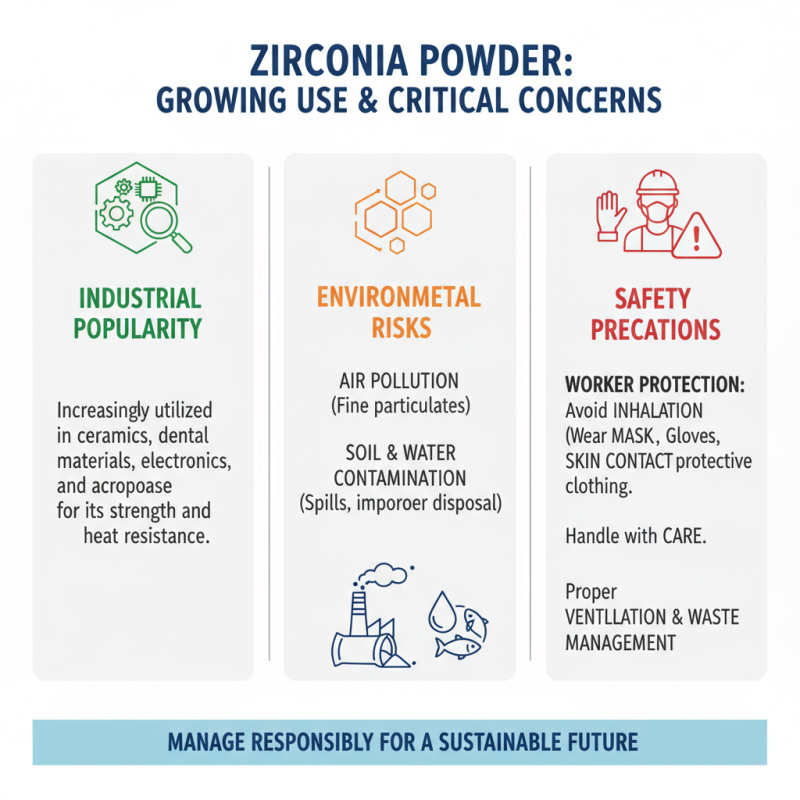
Zirconia powder is increasingly popular in various industries. However, its use raises important environmental and safety concerns. This fine powder can contribute to air pollution if not managed properly. When spilled, it can pose risks to both soil and water sources. Workers should handle it with care to avoid inhalation or skin contact.
In production facilities, safety protocols are essential. Protective gear, including gloves and masks, is advisable to minimize exposure. Though zirconia is generally considered safe, prolonged exposure can lead to health issues. Equipment must be regularly maintained to prevent leaks and spills.
Proper disposal of zirconia powder is crucial. It should not be discarded carelessly, as it can accumulate in landfills. This accumulation may affect local ecosystems. Companies should invest in waste management solutions to address these challenges responsibly. Balancing the benefits of zirconia powder with these environmental considerations is vital for sustainable usage.