Inquiry
Form loading...

Top 10 Types of White Alumina for Global Buyers

White alumina serves demanding applications where purity, hardness, and predictable performance matter. Alumina White is used in abrasive tools, surface preparation, technical ceramics, and selected refractory products. Small details matter. Grain size, bulk density, and chemical composition can affect cutting behavior, finish, and service life. Buyers should match these properties to the process, rather than choosing by color or price alone.

This guide introduces ten common types and forms, including fused white corundum, abrasive grains, fine powders, and ceramic-grade material. Their names and grades may differ between suppliers, so a label alone is not a specification. A coarse grain may suit aggressive grinding, while a fine powder can support polishing or precise surface finishing. The right choice depends on the workpiece, equipment, and required result.

For reliable comparisons, review current technical data sheets and request representative samples when practical. Check purity, particle-size distribution, packaging, and any relevant FEPA or ISO references; confirm that each standard applies to the product and intended use. Ask suppliers how they test consistency between batches. Even experienced purchasing teams can overlook a small specification difference. There is no universal ranking for every buyer, and this overview cannot replace application testing. Still, it offers a practical starting point for comparing options and asking better questions before a purchase.
Top 10 Types of White Alumina for Global Buyers

White Alumina: Composition, Production, and Classification

Top 10 Types of White Alumina for Global Buyers

White Alumina: Composition, Production, and Classification

White alumina is a high-purity fused aluminum oxide used in abrasive and refractory applications. It is not the same as all alumina. The USGS Mineral Commodity Summaries 2025 estimates global alumina production at about 145 million metric tons in 2024, across grades and uses. That figure gives industry context, not white fused alumina output specifically. Buyers should keep that distinction clear.

Production starts with high-purity alumina, which is melted in an electric arc furnace, cooled, crushed, and screened. The resulting grains are typically rich in Al2O3, while sodium oxide and other impurities can affect performance. Exact limits vary by specification.

One detail is easy to miss: a bright white appearance alone does not prove consistent chemistry. It needs test data.

Classification usually combines purity, grain size, and particle shape. Coarse grains cut aggressively; finer powders suit precision finishing. ISO 8486-1:2019 provides a framework for grading abrasive grains by size distribution.

In practice, suppliers may offer macrogrits, microgrits, and several purity or sodium-level variants, creating many commercial types. Ask for a chemical analysis and sieve report. Paperwork matters. Sometimes the terminology still feels inconsistent across suppliers, so compare specifications rather than product names.
How the Ten Main Types of White Alumina Differ

Top 10 Types of White Alumina for Global Buyers

How the Ten Main Types of White Alumina Differ

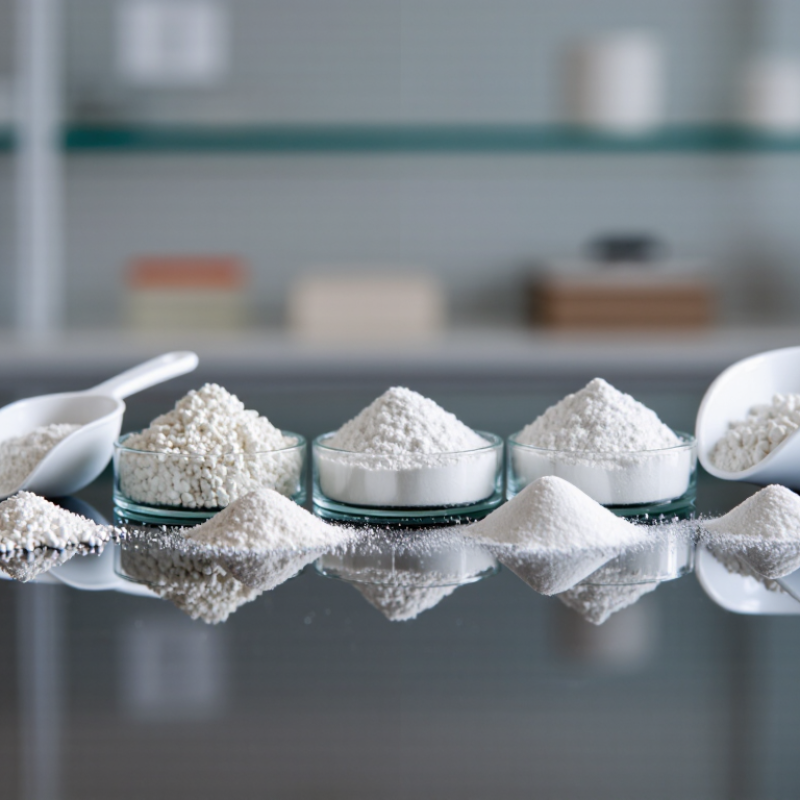
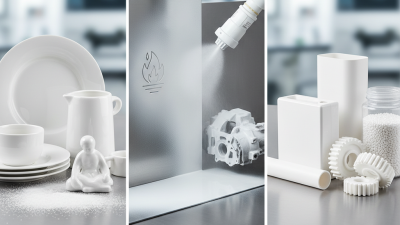
White alumina is not one uniform product. Buyers commonly compare ten overlapping types: standard-purity and high-purity grades, low-sodium grades, abrasive grains, refractory aggregates, ceramic grades, macrogrits, microgrits, crushed blocky grains, and fine powders. Their differences show up in chemistry, grain shape, and particle-size distribution. Low-sodium material can suit applications sensitive to alkali content, while coarse macrogrits cut aggressively and fine powders support lapping or polishing. Refractory grades are selected for heat resistance and aggregate sizing. The labels are not always tidy; some describe chemistry, others describe size or end use.

Particle size needs more than a headline number. FEPA grain-size specifications use sieve-based distributions, so a single median value can hide coarse particles that affect a finish. That matters. The USGS Mineral Commodity Summaries 2025 estimates global bauxite mine production at 430 million metric tons in 2024. This figure describes upstream feedstock, not white alumina output, and should not be treated as a measure of abrasive-grade supply. For practical selection, check the certificate of analysis for alumina and sodium content, confirm the applicable grain-size standard, and match the grade to the process. A fine powder may look consistent in a sample jar yet behave differently if its particle distribution shifts between lots. Not interchangeable.

Key Properties and Performance Factors by Type

White alumina performance depends on how it is made, graded, and prepared. White fused alumina is melted in an electric furnace, then crushed into angular grains. Its hardness and sharp edges suit blasting, grinding wheels, and refractory mixes. Calcined alumina is typically supplied as a finer powder. Particle size and purity affect its behavior in polishing compounds and ceramic formulations. Tabular alumina has dense, blocky grains that can support demanding refractory applications. These categories overlap in use, so the product name alone is not enough.

Check the details that shape performance. Grain-size distribution influences cutting speed, surface finish, and packing density. Finer particles may polish smoothly, but can also agglomerate if handling or dispersion is poor. Small differences matter. Buyers should review alumina content, sodium levels, moisture, bulk density, and the stated test method. A certificate of analysis helps, though one sample cannot represent every shipment. Ask for representative samples and compare them under the actual process conditions. A common oversight is choosing by purity while ignoring particle shape and consistency.

Tips: Match the grade to the task, not just the application label. For abrasive use, test a small batch on the target material and inspect the finish. For refractory work, check grain distribution and packing behavior. Confirm packaging protects fine powder from moisture, and clarify tolerances before ordering. Even a well-specified grade may need adjustment on the production line.

Top 10 Types of White Alumina for Global Buyers

Approximate particle size by common FEPA F-grade abrasive size. Coarser grains suit more aggressive stock removal; finer grains are used for finishing and polishing.

Particle sizes are approximate reference values; actual size distributions depend on the grade specification and production lot. Confirm the applicable standard and size distribution with your supplier.

Industrial Uses of White Alumina Across Global Markets

White alumina is used across global markets because it combines high hardness with low impurity levels and stable performance. In abrasive production, fused white alumina grains help make grinding wheels, coated abrasives, and blasting media. Grain size and shape affect cutting speed, surface finish, and tool wear. A small difference matters.

Refractory makers use selected grades in products exposed to high temperatures, while ceramic manufacturers use fine alumina powders for dense, wear-resistant components. In electronics, carefully controlled powders can support insulating parts and substrates. Specifications vary by process, so buyers commonly check purity, particle-size distribution, bulk density, and moisture. White appearance alone says little about performance. That part is easy to overlook.

Global supply chains also make consistency important. A batch that behaves differently can change pressing, firing, or grinding results. Still, grade names do not always describe processing behavior clearly; sample testing under actual production conditions is a more reliable check. The right choice depends on the equipment, target finish, and acceptable cost, not simply the highest stated purity. A few trial runs may reveal issues that a data sheet misses.

How Buyers Select the Right White Alumina Grade

Selecting the right white alumina grade starts with the job, not the product name. Buyers should compare grain size, chemical composition, particle shape, and bulk density. For abrasive work, coarser grains can remove material faster, while finer powders support smoother finishing. Refractory applications often need aggregate sizes that fit the mix design and withstand repeated heat exposure. Details matter. A grade that looks suitable on paper may behave differently in a production line.

Ask suppliers for a current technical data sheet and certificate of analysis, then check which properties are measured and how often. For example, confirm the stated particle-size range rather than relying only on a grit label. Small differences can affect coating consistency, flow, or surface finish. A sample trial is useful. Track feed rate, dust, wear, and the finished surface under normal operating conditions. Buyers sometimes focus too heavily on purity and overlook handling or yield. That is an easy assumption to make, and worth questioning. Record results by lot, since performance can vary between deliveries.