Top 10 Uses of Alumina Tubing in Industrial Applications?
Alumina tubing, a critical component in various industrial applications, has gained recognition for its exceptional properties. According to a report by Grand View Research, the global alumina market is projected to reach USD 18.83 billion by 2025, with a significant portion attributable to alumina-based products. Its high thermal resistance and chemical inertness make it ideal for numerous demanding environments.
In industries ranging from aerospace to electronics, alumina tubing serves diverse functions. Engineers rely on it for its mechanical strength and insulating capabilities. For example, in the semiconductor sector, alumina tubing acts as a dielectric barrier, preventing electrical leaks. Similarly, in the automotive sector, its lightweight nature contributes to the overall efficiency of vehicles. However, while the global demand for alumina is rising, sustainability concerns around sourcing and production remain critical issues that need addressing.
Despite its advantages, challenges exist. Not all alumina tubing is created equal. Variations in purity and manufacturing processes can lead to discrepancies in performance. Continuous quality assessment is essential. Industry leaders emphasize the need for rigorous testing to ensure reliability and durability. As companies navigate these complexities, understanding the top uses of alumina tubing is vital for optimizing performance in industrial applications.
Applications of Alumina Tubing in the Aerospace Industry
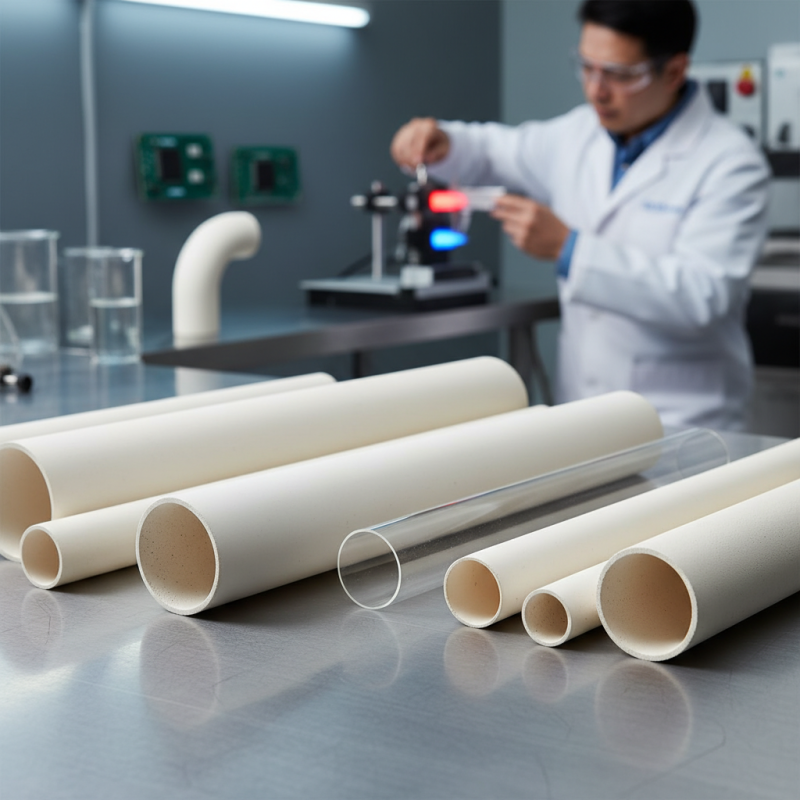
Alumina tubing plays a crucial role in the aerospace industry. Its high temperature resistance makes it ideal for applications in engines and exhaust systems. The lightweight nature of alumina ensures better fuel efficiency. Engineers rely on these tubes for structural stability in harsh environments.
During aircraft manufacturing, alumina tubing is used in various components, such as guidance systems and heat shields. These tubes can withstand extreme temperatures while maintaining their integrity. Manufacturing precision is key here. Minor inconsistencies can lead to significant issues down the line.
Despite its advantages, using alumina isn't without challenges. The brittleness of alumina can lead to cracking. Manufacturers need to balance strength with weight. Constant experimentation improves durability and performance. The quest for perfection continues in aerospace applications.
Use of Alumina Tubing for High-Temperature Insulation
Alumina tubing has gained significant traction in high-temperature insulation applications. Its excellent thermal stability makes it a preferred choice across various industries. Reports indicate that alumina can withstand temperatures exceeding 1600°C. This unique property allows it to serve effectively in environments that demand high thermal resistance.
The material’s insulating properties are complemented by its mechanical strength. Alumina tubing does not easily deform under pressure, ensuring structural integrity in challenging conditions. In the aerospace sector, for instance, it plays a critical role in protecting sensitive components from extreme heat. According to industry analyses, the demand for alumina in high-temperature environments is projected to grow by 7% annually through 2025.
Tips: When selecting alumina tubing, consider the specific temperature and pressure conditions of your application. Ensure that the chosen grade aligns with your operational requirements. Regular inspections can prevent potential failures due to unseen compromises in the material.
Another aspect to note is the brittleness of alumina. While it resists heat well, it can crack under sudden impact or stress. This limitation makes careful handling crucial during installation. Monitoring for signs of wear and tear can help maintain optimal performance over time.
Alumina Tubing in Chemical Processing Equipment
Alumina tubing is essential in chemical processing equipment. Its high thermal stability allows it to withstand extreme temperatures. In many cases, traditional materials simply cannot match this performance. The ability to resist chemical corrosion is crucial for various applications. Industries often rely on alumina to ensure longevity and reliability in harsh environments.
In chemical reactors, alumina tubing plays a vital role. It facilitates efficient heat transfer during reactions. Manufacturers appreciate its lightweight nature, which aids in handling and installation. Some processes require precise control over heat and material transfer. Alumina's high purity is vital to prevent contamination.
Despite its benefits, there are challenges. Alumina can be more brittle than other materials, leading to potential breakage. This demands careful handling and installation. Over time, industries have learned to mitigate these risks through better design and operational protocols. Effective training is essential for staff to manage these attributes responsibly.
Role of Alumina Tubing in Electrical Insulation Solutions
Alumina tubing plays a crucial role in electrical insulation solutions. Its high thermal resistance makes it ideal for various applications. In power transmission, the tubing ensures safety by preventing electrical leaks. This is especially critical in environments where high voltages are present.
When considering alumina tubing, it's essential to account for the specific electrical requirements of your application. Different voltage levels and environmental factors will influence your choice. Choosing the right grade of alumina can enhance performance and longevity.
**Tips:** Always examine thermal properties and dielectric strength. These factors significantly impact insulation effectiveness. Conduct thorough testing to ensure reliability in real-world conditions.
While alumina tubing is robust, it is not fail-proof. Cracks or defects can compromise its insulating properties. Regular inspections can help identify potential issues early. Running simulations before final implementation can save time and costs.
Top 10 Uses of Alumina Tubing in Industrial Applications
| Application |
Description |
Benefits |
| Electrical Insulation |
Used as an insulator in electrical components and devices. |
High dielectric strength and thermal stability. |
| Thermal Barriers |
Protecting sensitive components from high temperatures. |
Heat resistant and durable. |
| Chemical Processing |
Resistant to various chemicals used in industrial processes. |
Corrosion resistant and long-lasting. |
| Laser Technology |
Used in laser equipment for high-precision applications. |
High purity and precision. |
| Aerospace Components |
Used in high-performance aerospace applications. |
Lightweight and strong. |
| Semiconductor Manufacturing |
Supports production processes in semiconductor fabrication. |
High thermal and electrical properties. |
| Biomedical Devices |
Used in making components for medical devices. |
Biocompatibility and safety. |
| Cylindrical Insulators |
Act as insulators in various machinery. |
Effective electric field management. |
| Research Applications |
Utilized in various laboratory equipment and setups. |
Versatile and reliable material properties. |
| Electrical Connectors |
Used in insulation for connectors in electrical circuits. |
Improves connectivity and reduces short circuits. |
Utilization of Alumina Tubing in Medical Device Manufacturing
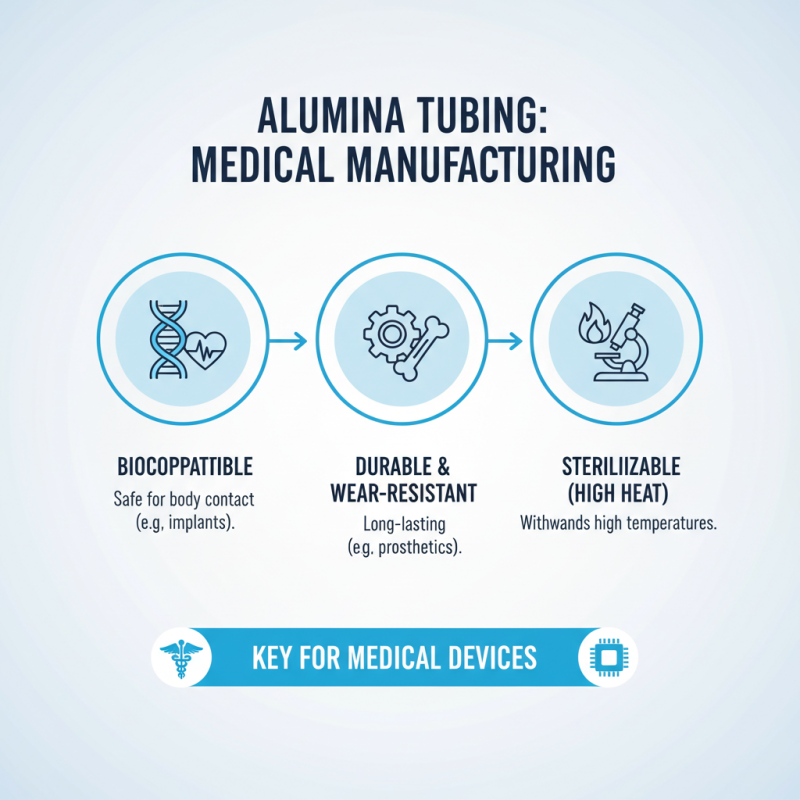
Alumina tubing has gained significant traction in medical device manufacturing due to its unique properties. This ceramic material is biocompatible, making it ideal for use in devices that interact with biological tissues. Its exceptional hardness and wear resistance allow for long-lasting applications, such as dental implants and prosthetics. The ability to withstand high temperatures during sterilization is crucial in this field.
The precision of alumina tubing also plays a vital role in medical instrumentation. It can be manufactured with tight tolerances, which is essential for devices like catheters and surgical instruments. However, not all alumina tubing is created equal. Some products may not meet stringent medical standards, leading to compliance issues. This inconsistency highlights the need for thorough quality checks throughout the manufacturing process.
Incorporating alumina tubing into medical devices also presents challenges. The brittleness of the material means careful handling is necessary during assembly. Engineers must design around these weaknesses to prevent failure during use. While alumina offers many benefits, the industry must continue to address its limitations for optimal performance in the medical field.