Best Porous Ceramic for Your Industrial Applications?
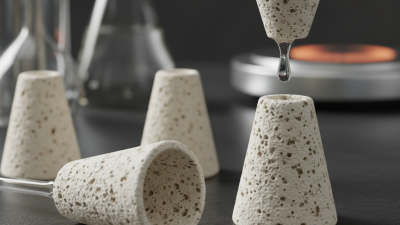
In today’s industrial landscape, the demand for innovative materials is ever-increasing. Among these, porous ceramic stands out for its versatility and unique properties. Porous ceramic exhibits exceptional functionality, making it ideal for various applications, from filtration to thermal insulation. The structure of porous ceramics allows for efficient fluid flow and heat resistance, crucial for many industries.
Choosing the best porous ceramic involves understanding the specific needs of your application. Factors such as porosity, thermal stability, and chemical resistance are critical. While many options exist, not all porous ceramics excel in every area. This can lead to decision-making challenges, and one must carefully evaluate the available choices to ensure reliability and performance.
The key is to leverage expertise from both manufacturers and industry specialists. Relying on their knowledge can foster better decisions, ensuring the selected porous ceramic meets its intended performance criteria. Despite their potential, some porous ceramics may not deliver as expected in certain contexts, prompting a need for ongoing review and adaptation. Understanding these nuances is essential for optimizing industrial applications.
Understanding Porous Ceramic: Definition and Characteristics
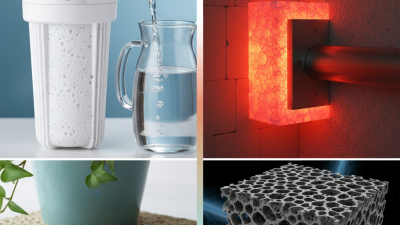
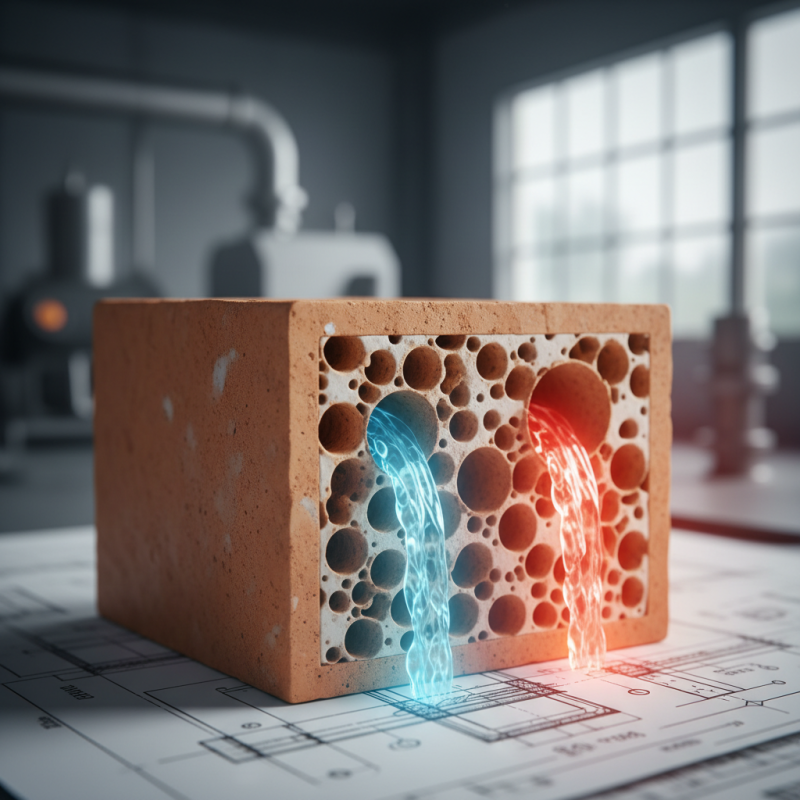
Porous ceramic materials play a vital role in various industrial applications. They are characterized by their high porosity, which allows for optimal fluid and gas flow. This unique structure makes them suitable for filtering, catalysis, and thermal insulation. According to industry reports, the global porous ceramics market is projected to reach $10 billion by 2025, driven by their increasing demand in sectors like aerospace and energy.
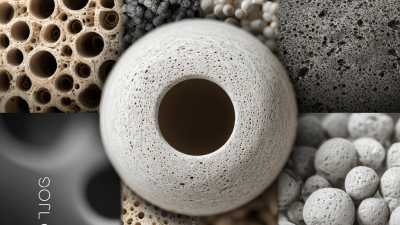
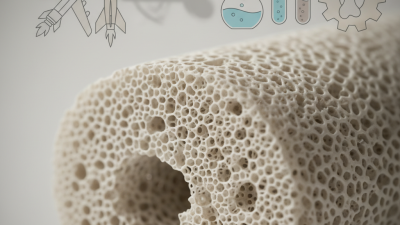
The definition of porous ceramics emphasizes their ability to absorb and transmit liquids and gases. This property makes them essential in industries that require high-performance materials. The interconnected pores enhance their mechanical strength while minimizing weight. However, the production process can be complex, often leading to variability in quality. Continuous monitoring of production conditions is crucial to ensure reliability.
Tip: When selecting porous ceramics, consider the pore size and distribution. These factors influence performance in specific applications. Analyzing the specific needs of your project can lead to better material choice. Remember, not all porous ceramics are created equal. Always reference reputable studies when making your selection.
Key Industrial Applications of Porous Ceramics
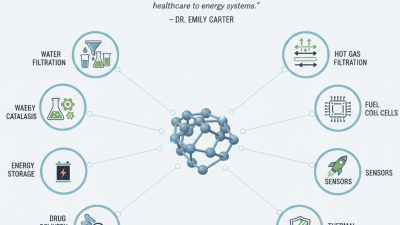
Porous ceramics have gained significant traction in various industrial applications. Their unique structure allows for excellent permeability, making them ideal for filtering and separation processes. Industries such as aerospace, biomedical, and water treatment rely heavily on these materials. For instance, in aerospace, porous ceramics can be used in lightweight components that need to withstand high temperatures.
**Tips:** When selecting porous ceramics, consider their mechanical properties. The right choice enhances durability and efficiency in your specific application. Understand the requirements of your industry to make informed choices.
Bio-ceramics are another critical application area. They are often used in regenerative medicine, facilitating bone growth and tissue repair. The biocompatibility of porous ceramics allows them to integrate seamlessly with human tissue. However, it's essential to evaluate their long-term performance. Testing under actual conditions helps ensure they meet your needs.
**Tips:** Ensure proper testing protocols are in place. Continued monitoring of performance can reveal potential failures or improvements. Regular evaluation can enhance product reliability and longevity.
Factors to Consider When Choosing Porous Ceramics for Industry
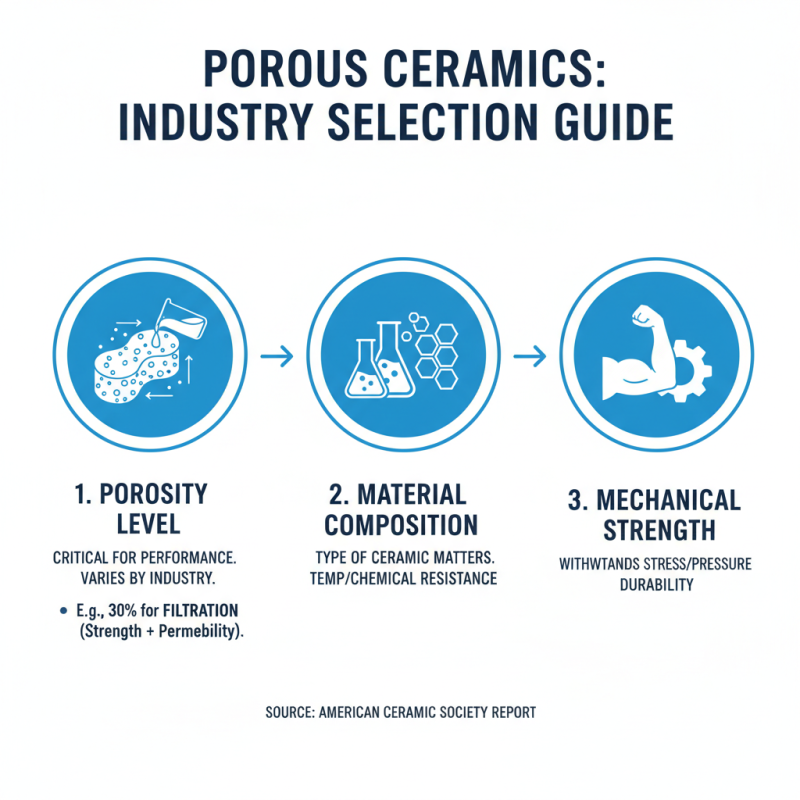
When selecting porous ceramics for industrial applications, several critical factors must be considered. The specific porosity level is paramount. Different industries require various levels of porosity to achieve optimal performance. For instance, a report by the American Ceramic Society notes that ceramics with 30% porosity are ideal for filtration applications, as they balance permeability with mechanical strength.
Another key factor is thermal stability. Many industrial processes involve extreme temperatures. A study published in the Journal of Materials Science emphasizes the importance of ceramics that can withstand temperatures exceeding 1500°C. This capability is crucial for applications in aerospace and metallurgy, where failure at high temperatures can lead to severe operational issues.
Moreover, the chemical resistance of the ceramic material is vital. Industrial settings often expose materials to harsh chemicals. According to the International Journal of Applied Ceramic Technology, selecting ceramics that resist corrosion can significantly enhance the lifespan of components. It is essential to evaluate the specific chemical environment of your application to avoid premature degradation. Understanding these factors can help industries make informed choices when choosing porous ceramics, leading to better performance and efficiency.
Comparison of Different Types of Porous Ceramics
When choosing porous ceramics for industrial applications, various options exist. Key types include alumina, zirconia, and silicon nitride. Each type offers distinct properties tailored to specific needs.
Alumina ceramics are known for their strength and resistance to wear. They are ideal for environments with high abrasion. However, they might not perform well under extreme thermal shock. Zirconia, on the other hand, excels in thermal stability, making it suitable for high-temperature applications. Yet, it can be more brittle than alumina, which poses challenges in some situations.
Silicon nitride ceramics combine thermal stability with impressive toughness. They are often used in cutting tools and components. However, their complex manufacturing process can be a drawback. Selecting the right porous ceramic requires careful consideration of the application needs and material characteristics. Industrial requirements often lead to trade-offs. Assessing these factors contributes to improved performance and efficiency.
Comparison of Different Types of Porous Ceramics for Industrial Applications
This chart compares the porosity level and thermal conductivity of various types of porous ceramics commonly used in industrial applications. It highlights how different ceramics measure up for effectiveness in certain applications.
Benefits of Using Porous Ceramics in Industrial Settings
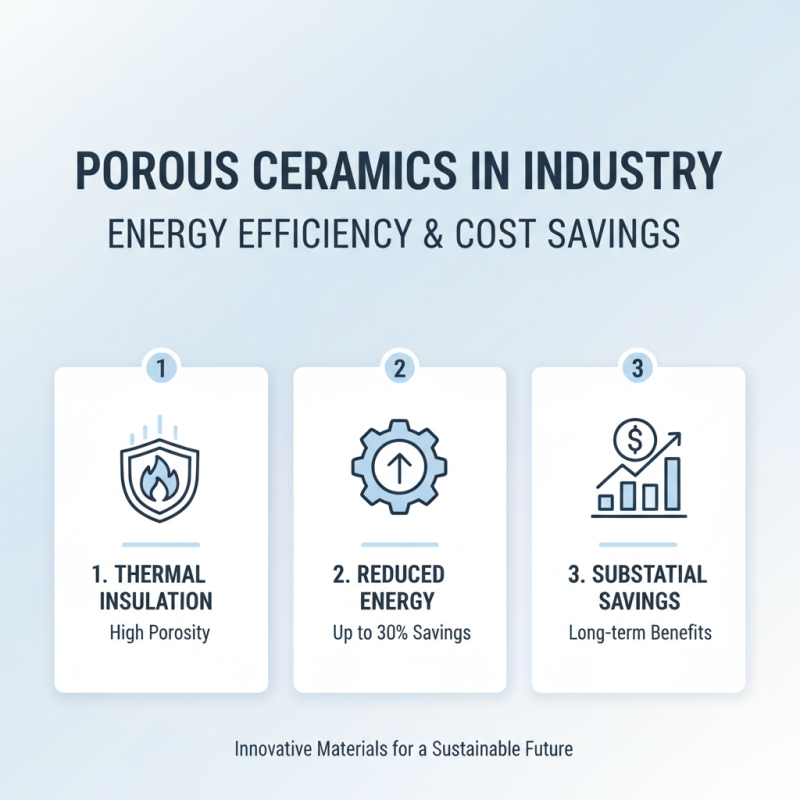
Porous ceramics are increasingly gaining traction in industrial settings. They offer unique advantages that traditional materials cannot. For instance, the high porosity allows for excellent thermal insulation. Recent studies indicate that porous ceramics can reduce energy consumption in industrial processes by as much as 30%. This efficiency leads to substantial cost savings over time.
In addition to energy efficiency, porous ceramics excel in filtration applications. They can effectively filter out contaminants in water and air, significantly improving product quality. A report from the Global Filtration Market suggests that the use of advanced ceramics in filtration can enhance performance by 25% compared to standard materials. However, adopting these materials requires careful consideration of production methods and costs.
While the benefits are clear, challenges remain. The brittleness of some porous ceramics can limit their applications. Industries must weigh the advantages against potential durability issues. This requires a thoughtful approach to material selection. Understanding the specific needs of each application is critical for maximizing benefits. Overall, the ongoing research in this field holds promise for improved performance and sustainability in industrial practices.