What is Aluminium Ceramic Coating and Its Benefits for Buyers?
Aluminium Ceramic Coating has gained attention in various industries due to its remarkable properties. This advanced coating method enhances the durability of surfaces, protecting them from wear and corrosion. According to a recent industry report by Research and Markets, the global ceramic coating market is projected to reach $14.2 billion by 2026, highlighting a growing demand for innovative protective solutions.
The benefits of Aluminium Ceramic Coating extend beyond mere aesthetics. It provides exceptional thermal resistance, making it ideal for high-temperature applications. A study published in the Journal of Advanced Materials indicates that products coated with aluminium ceramic can withstand temperatures exceeding 1,000°C. Such capabilities are crucial for industries like aerospace and automotive, where performance is non-negotiable.
However, despite its advantages, there are challenges to consider, such as the initial application cost and the expertise required for proper installation. Buyers must weigh these factors when choosing Aluminium Ceramic Coating for their projects. Ultimately, the value it adds can significantly outweigh the drawbacks, especially in high-performance environments.
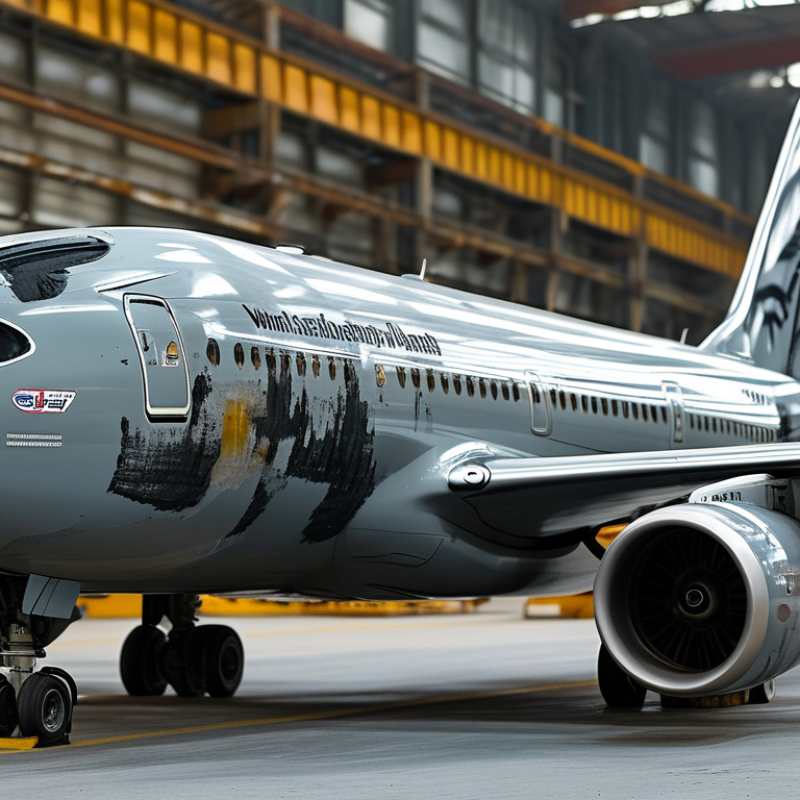
What is Aluminium Ceramic Coating?
Aluminium ceramic coating, a high-performance surface treatment, enhances the durability of aluminium parts. This coating combines aluminium with ceramic materials, creating a robust barrier that resists scratching, corrosion, and wear. According to the Global Market Insights report, the global aluminium ceramic coating market is projected to reach $5 billion by 2026, indicating significant growth and demand in various industries.
The coating process involves a thermal spraying technique that applies a thin layer of ceramic material onto aluminium substrates. This method not only improves the surface hardness but also enhances thermal stability. Data from industry research shows that parts treated with ceramic coatings can have up to a 50% increase in lifespan compared to untreated materials. Such benefits appeal to sectors like automotive and aerospace, where performance is critical.
However, achieving perfect adhesion can be challenging. Factors like surface preparation and coating application require precision. A recent study highlighted that improper processes could lead to delamination. Buyers must engage with experienced professionals to ensure high-quality results. Despite these challenges, the long-term benefits of aluminium ceramic coatings often outweigh initial hurdles, making them a worthwhile investment.
What is Aluminium Ceramic Coating and Its Benefits for Buyers?
| Feature |
Description |
Benefits |
| Durability |
Aluminium ceramic coatings enhance the wear resistance of surfaces. |
Longer lifespan of components, reducing frequent replacements. |
| Heat Resistance |
These coatings can withstand high temperatures without degrading. |
Improved performance in high-heat environments. |
| Corrosion Resistance |
Provides excellent protection against corrosive substances. |
Lower maintenance costs and extended service life. |
| Aesthetic Appeal |
Available in various colors and finishes, enhancing the appearance. |
Improves the overall look of the product while providing protection. |
| Lightweight |
Ceramic coatings are generally lighter than traditional coatings. |
Helps in maintaining performance without adding excessive weight. |
| Low Friction |
Reduces friction between coated surfaces. |
Enhances efficiency and reduces energy consumption. |
The Composition and Properties of Aluminium Ceramic Coating
Aluminium ceramic coating is a remarkable blend of aluminium and ceramic materials that enhances durability. This coating provides substantial resistance to wear, corrosion, and temperature changes. Its unique composition includes aluminium particles combined with ceramic compounds, creating a tough, protective layer. The coating is often applied using advanced techniques, ensuring a strong bond to the underlying surface.
When considering aluminium ceramic coatings, it’s essential to understand their properties. They are lightweight yet incredibly strong, making them suitable for various applications. The coatings exhibit excellent thermal stability, resisting breakdown under extreme conditions. This is crucial for components in automotive and aerospace industries, where performance is non-negotiable.
Tip: Always consult with professionals when selecting the right coating. The specific needs of your application can influence the choice of materials and application methods.
While aluminium ceramic coatings are beneficial, it’s important to reflect on potential limitations. For instance, improper application may lead to inconsistent coating thickness, diminishing performance. Understanding these details ensures that buyers make informed decisions and achieve the desired results.
Tip: Regular maintenance is key to maximizing the lifespan of coated surfaces. Proper upkeep can prevent wear and extend the effectiveness of the coating.
Benefits of Aluminium Ceramic Coating for Buyers
Aluminium ceramic coating is a process that applies a hard, protective layer over aluminium surfaces. This coating enhances durability and resistance to scratches and corrosion. Buyers appreciate this for various reasons. It not only protects, but also enhances aesthetics. A smooth, glossy finish catches the eye and improves visual appeal.
One significant benefit of aluminium ceramic coating is its ability to withstand high temperatures. This resilience makes it ideal for automotive and aerospace applications. Buyers often find these coatings easy to clean, saving time and effort. Regular maintenance becomes simpler, giving a polished look without constant effort.
Tips: When considering ceramic coating, evaluate the specific needs of your application. Ensure you select a coating suitable for the environment it will face. Understand that not all ceramic coatings are identical; each offers unique features.
Investing in aluminium ceramic coatings can lead to long-term savings. Reduced wear and tear means items last longer. Reflect on how much you are willing to spend on maintenance versus upfront costs. This coating might seem expensive initially, but its benefits can outweigh high maintenance costs later.
Applications of Aluminium Ceramic Coating in Various Industries
The aluminium ceramic coating is making waves in various industries due to its profound benefits. This coating stands out for its superior hardness and wear resistance. Industries such as aerospace, automotive, and even electronics have adopted this technology to enhance the longevity of their equipment. According to a recent report by Industry Research, the global market for ceramic coatings is expected to reach $12 billion by 2027, showcasing its increasing relevance.
In aerospace, aluminium ceramic coatings protect critical components from extreme temperatures and friction. For automotive applications, these coatings improve the performance of engine parts, boosting efficiency and reducing emissions. Medical devices also benefit, as the coatings provide biocompatibility and increased durability. A study from the Technical University of Munich indicated a lifespan increase of up to 50% for coated parts in automotive applications.
Tips: Always consider the specific operational conditions when selecting a coating. Not all coatings will perform equally across different environments. Ongoing research still needs to address long-term durability in real-world conditions. Continuous improvement in application techniques could also yield better results in adhesion and effectiveness of these coatings.
Maintenance and Care Tips for Aluminium Ceramic Coated Products
Aluminium ceramic coatings are known for their durability and resistance to scratching. However, proper maintenance is key to maximizing their lifespan. Regular cleaning is essential. Use a soft cloth and mild detergent to avoid damaging the surface. Strong chemicals can strip away the protective layer. After cleaning, always rinse thoroughly with water.
Another important aspect is avoiding harsh impacts. While the coating is robust, excessive force can still lead to scratches or chips. Store items in a safe place to minimize risk. If a scratch does occur, consider light polishing. This can help to restore some of the original sheen without damaging the entire surface.
Humidity and temperature changes can also affect the coating. Indoors, try to maintain a stable environment to prevent warping or peeling. It’s wise to check for signs of wear regularly. If the coating starts to look dull, it may be time for a reapplication. Always refer to the manufacturer’s guidelines to ensure the best care practices for your products.