How to Choose the Best Aluminium Ceramic Coating in 2026?
Choosing the right Aluminium Ceramic Coating in 2026 takes more than comparing prices or polished product photos. The coating must suit the alloy, operating temperature, exposure, and application method. A finish that performs well on a decorative panel may not protect a component facing abrasion, moisture, or repeated heat cycles. Small details matter. Surface preparation matters too. Even a premium formula can disappoint when the substrate is contaminated or the curing process is poorly controlled.
For this introduction, Daniel Mercer is a fictional composite coating specialist, not a real-world source. His illustrative rule is: “Choose for the service conditions, then verify the coating’s performance on the actual aluminium part.” That distinction is important. Ask suppliers for technical data on adhesion, temperature limits, chemical resistance, and recommended film thickness. Check whether their test results match your intended use. A showroom sample cannot answer every question.
This guide explores how to compare coating chemistry, application requirements, durability claims, and supplier support in 2026. It also considers practical trade-offs, including cost, repairability, and finish consistency. No single product is best for every project. And specifications can be easy to misread. Treat broad claims cautiously, request relevant documentation, and test a representative part before committing to a full production run.
What Aluminium Ceramic Coating Is and How It Works
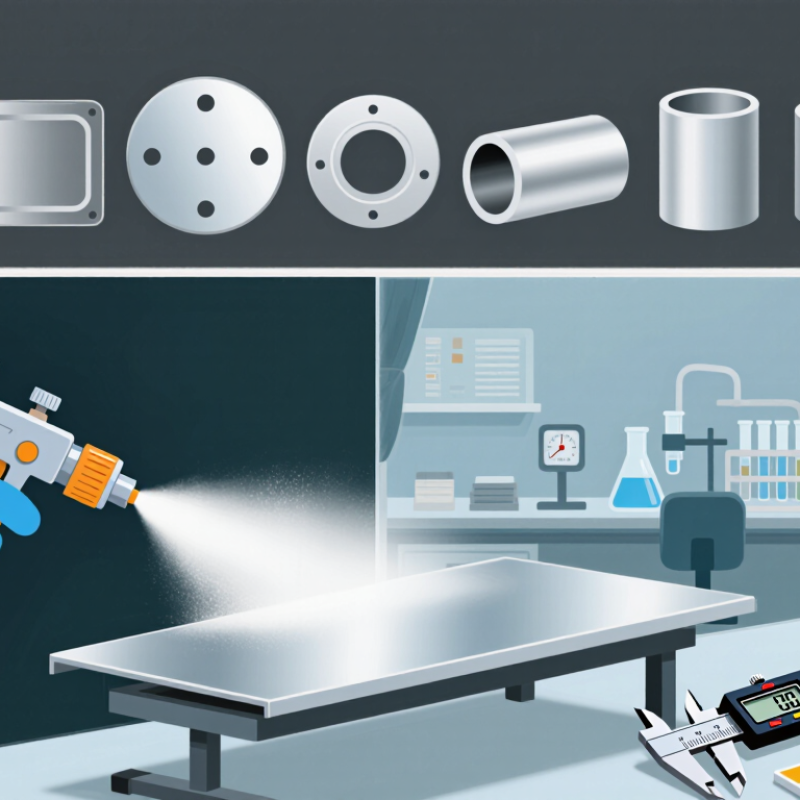
Aluminium ceramic coating is a protective layer applied to an aluminium surface, not a solid ceramic shell. Depending on the product, it may use ceramic particles in a binder or a thin ceramic-based film. The coating’s job is to create a more resistant surface while keeping the component’s light weight. That distinction matters.
Aluminium naturally forms a thin oxide layer, but this alone may not withstand repeated abrasion, moisture, chemicals, or high temperatures. A ceramic coating can add resistance, though its performance depends on the formulation, thickness, curing conditions, and intended use. Some coatings are designed for heat exposure; others focus on corrosion or wear. They are not interchangeable.
Preparation is crucial. Oil, dust, or loose oxidation can weaken adhesion, so surfaces are typically cleaned and treated before application. The coating is then applied and cured according to its technical requirements. On a machined part, even a small change in thickness can affect fit, so dimensions should be considered. I would avoid assuming “ceramic” means scratch-proof or maintenance-free. It doesn’t. Review temperature limits, compatible chemicals, and test data for the actual aluminium component before choosing a coating.
How to Choose the Best Aluminium Ceramic Coating in 2026?
Compare the coating’s purpose—such as wear, corrosion, or heat protection—with its tested performance on your aluminium alloy and in your operating conditions.
How ceramic coatings work: A ceramic layer is applied to the aluminium surface to provide properties such as hardness, wear resistance, or thermal protection. This chart compares typical thermal conductivity ranges of bulk materials—not finished coatings. Coating results vary with composition, manufacturing process, thickness, and porosity, so use product-specific test data when selecting a coating.
Key Performance Factors to Compare in 2026
When comparing aluminium ceramic coatings in 2026, start with the operating conditions, not a headline temperature rating. A coating on a hot exhaust component faces different stresses from one on a pump housing. Check continuous-use and short-term peak temperatures separately. Ask for the test method, substrate alloy, and coating thickness behind each figure. Numbers without context can mislead. Small details matter.
Adhesion and thermal cycling deserve close attention because aluminium expands as it heats. Look for results after repeated heating and cooling, plus abrasion data relevant to actual contact. A very hard surface may resist wear yet crack if the layer is thick or poorly matched to the substrate. That trade-off is easy to miss. Compare corrosion resistance, chemical compatibility, and any effect on heat transfer or electrical contact.
Application quality can outweigh small differences in laboratory scores. Confirm surface preparation, allowable roughness, cure schedule, and inspection method. Request a sample panel made from the same aluminium alloy and processed on the proposed production line. Measure thickness at several points; edges and recesses can vary. A lab pass is useful, not a guarantee. Test results may not reflect every joint, cleaning routine, or real-world temperature cycle.
How to Match Coating Types to Your Application
How to Choose the Best Aluminium Ceramic Coating in 2026?
How to Match Coating Types to Your Application
Start with the part’s working conditions, not the coating’s name. A lightweight housing exposed to salt spray needs different protection from a sliding component facing repeated abrasion. Plasma electrolytic oxidation forms a hard ceramic-like layer on aluminium and can suit wear-prone parts. Its porous surface may need sealing when corrosion resistance matters. Thin sol-gel coatings can preserve tight dimensions, but they may not withstand heavy impact or sustained friction.
For thicker ceramic protection, thermal-sprayed coatings can handle demanding wear conditions. Check adhesion, coating thickness, and thermal expansion compatibility with the aluminium substrate. A mismatch can cause cracking or peeling, especially during temperature cycling. Ask for test data using conditions close to your application: salt exposure, contact pressure, temperature, and cleaning method. A smooth sample is not enough. It may hide weaknesses that appear after months of use.
Tips: Share a drawing, operating temperature range, and expected wear pattern with the coating provider. Confirm allowable thickness before treatment, particularly around holes and mating surfaces. If requirements are unclear, test coated parts in service-like conditions first. That takes time. Yet choosing from a datasheet alone can be a costly shortcut.
How to Select and Verify the Right Coating Specification
For a 2026 purchase, treat “aluminium ceramic coating” as a category, not a complete specification. Record the alloy and temper, part geometry, operating temperature, chemical exposure, and contact with salt or abrasion. A coating that performs well on a flat panel may behave differently around drilled edges and tight corners. Start with substrate preparation: degreasing, oxide removal, conversion treatment, and any required primer. Ask for the permitted dry-film thickness range, cure schedule, and application limits. Small details matter.
The supplier’s documents should identify the test method, sample preparation, acceptance threshold, and report date for adhesion, corrosion, and wear claims. Compare like with like; results from a different alloy or coating thickness may not predict your part’s performance. Request a coated sample made with the same process, then inspect coverage at edges, holes, and machined surfaces. Verify thickness at several locations, not just the easiest flat spot, and keep the readings with the batch records. If service is critical, arrange independent testing against your actual exposure cycle. One catch: testing costs time. Still, a polished datasheet can hide gaps, and I would rather see a missing result than an unsupported promise.