How to Choose Best Ceramic Coating for Aluminum?
Choosing the right ceramic coating for aluminum is crucial for durability and aesthetic appeal. Aluminum surfaces demand special attention, as they react differently to various coatings. Ceramic coating for aluminum provides a robust protective layer, enhancing resistance against scratches, UV rays, and corrosion.
When selecting a ceramic coating, consider factors such as application ease, curing time, and longevity. Not all coatings are created equal. Some may offer great protection but require extensive preparation. Others may be user-friendly yet lack durability. It's essential to weigh these factors carefully.
The right product will ultimately depend on your specific needs. Evaluate your aluminum item’s application and environment. What works well for a car may not be suitable for household items. Conducting thorough research and often testing different options may lead to the best choice. There is no one-size-fits-all solution, so be prepared for some trial and error.
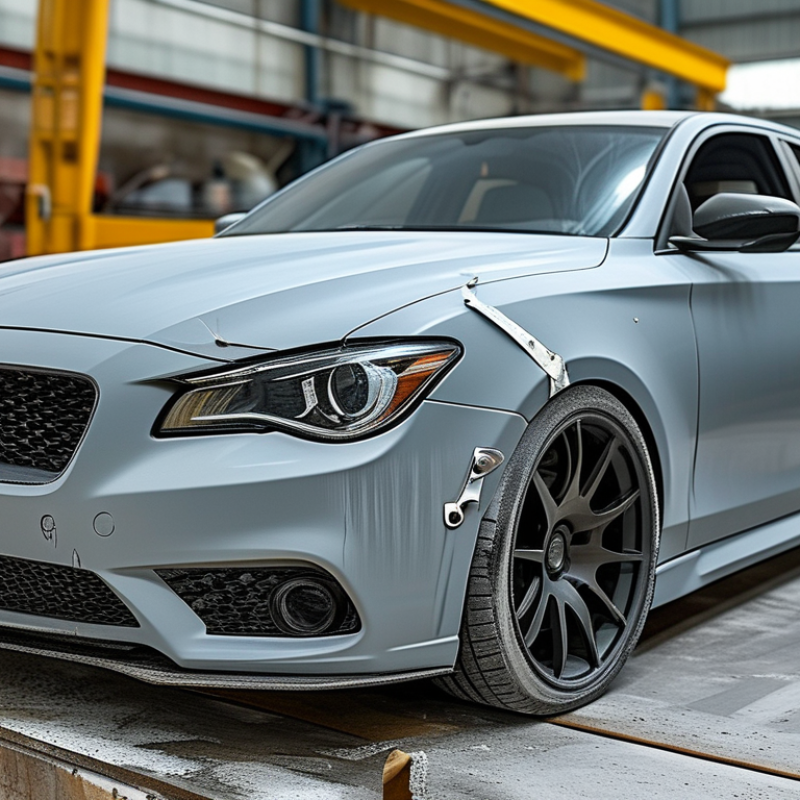
Understanding Ceramic Coating and Its Benefits for Aluminum
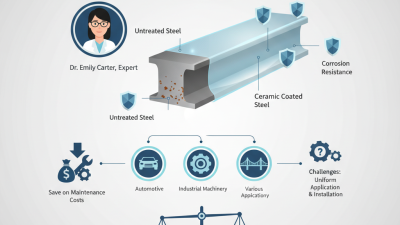
Ceramic coatings provide a robust layer of protection for aluminum surfaces. Understanding their benefits is essential to make informed choices. These coatings enhance durability and resist environmental factors. They are designed to shield aluminum from corrosion, UV rays, and chemical damages. Applying a ceramic coating means longer-lasting finishes.
One significant advantage of ceramic coatings is their self-cleaning ability. Dirt and grime do not adhere easily. This feature makes maintenance simpler and less frequent. Many users report less time spent on upkeep. However, it's crucial to note that not all aluminum will benefit equally from these coatings. Surface preparation plays a vital role in the effectiveness of the application.
It's easy to underestimate the importance of choosing the right ceramic coating. Each product may have different formulations. Some might suit automotive applications, while others are better for home items. Users must reflect on their specific needs. Taking time to research thoroughly can lead to better results. Finding the right balance between cost, performance, and durability matters.
Factors to Consider When Choosing Ceramic Coating for Aluminum
When choosing the best ceramic coating for aluminum, several factors come into play. A good starting point is the desired level of durability. Some coatings offer better resistance to scratches and weathering than others. Investigate the chemical resistance as well. Aluminum surfaces are prone to corrosion, especially in harsh environments. A high-quality ceramic coating should provide reliable protection against moisture and contaminants.
Another important aspect is the application process. Some coatings require professional installation, while others can be applied at home. If you choose a DIY product, ensure you follow the instructions closely. Prepping the aluminum surface correctly is crucial for optimal adhesion.
Tips:
Always test a small area before full application. This helps to gauge the effectiveness of the coating. Additionally, consider the finish type—glossy or matte. Each finish offers distinct aesthetic qualities.
Reflect on your specific needs. Is weight reduction important for your project? Certain coatings may add considerable weight. Balance between protection and functionality. This consideration can significantly influence the outcome and performance of your aluminum components.
Types of Ceramic Coatings Suitable for Aluminum Surfaces
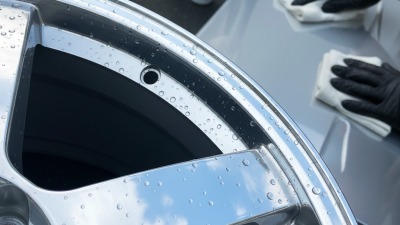
When selecting a ceramic coating for aluminum surfaces, understanding the types available is crucial. Ceramic coatings can enhance durability, scratch resistance, and aesthetic appeal. There are several suitable options for aluminum. One type is the excellent hydrophobic coating that repels water efficiently. This keeps surfaces clean and reduces maintenance efforts. Another option is high-temperature ceramic coatings. These coatings are ideal for components exposed to extreme heat, providing essential protection.
Some coatings are specifically designed for automotive applications. They offer UV protection, preventing fading and oxidation. However, not all coatings are created equal. Compatibility with aluminum is vital, as some formulations may not adhere well. It's essential to test a small area first. Certain coatings require specific application techniques. Improper methods can lead to uneven surfaces. This can ultimately affect the coating’s performance.
The drying time also varies among products. Some may dry quickly, while others may take longer. This can impact project timelines. Users need to keep this in mind during the selection process. Investing time in research pays off. Understanding the specifics of each type ensures better results. Not every product will suit all applications, so take the time to reflect on your needs.
Application Techniques for Optimal Ceramic Coating on Aluminum
When applying a ceramic coating on aluminum, preparation is crucial. Start with cleaning the surface thoroughly. Use a pH-neutral degreaser to remove dirt and grease. A smooth surface ensures better adhesion. Rinse well and dry it completely. Inspect for imperfections. Small scratches can affect the coating.
Next, consider the application technique. Use a spray or a wipe-on method, depending on your comfort level. A spray can cover larger areas evenly, while a wipe-on can help with detailed spots. Work in a well-ventilated area to avoid inhaling fumes. Remember, applying too much product can lead to uneven finishes. Thin layers are better.
After applying the coating, allow it to cure as per guidelines. Curing time can vary with temperature and humidity. Don’t rush this process. An improperly cured coating might peel or chip soon after. Regular inspections post-application are essential. Reflect on the application process to learn for future projects.
Maintenance Tips for Longevity of Ceramic Coatings on Aluminum
Maintaining ceramic coatings on aluminum is essential for longevity and performance. Start by regularly washing the surface with a pH-neutral soap. Avoid harsh chemicals that can degrade the coating. This step removes dirt and grime, preserving the coating's effectiveness.
Inspect your ceramic coating every few months. Look for signs of wear or damage. If you notice imperfections, consider reapplying the coating sooner. Applying a maintenance spray can boost the coating's hydrophobic properties and enhance its protective layer.
In addition, parking under a cover can minimize exposure to UV rays and harsh weather. This helps prevent fading and degradation. Regular maintenance is key. A neglected aluminum surface can lead to corrosion and a compromised coating. Taking these simple steps ensures the ceramic coating remains effective for years to come.