Top Benefits of Silicon Carbide Seal for Your Industry Needs?
In today's industrial landscape, the demand for advanced materials is ever-increasing. Silicon Carbide Seal stands out as a pivotal innovation in sealing solutions. Industry expert Dr. Emily Carter, a leading researcher in material sciences, states, "Silicon Carbide seals offer unmatched durability and efficiency across diverse applications." This statement encapsulates the essence of Silicon Carbide Seal's rising prominence.
The benefits of Silicon Carbide Seal are manifold. Its high resistance to wear and thermal shock makes it ideal for extreme conditions. Industries such as aerospace, automotive, and energy are reaping the rewards of this breakthrough technology. However, the implementation isn’t without challenges. Many companies struggle with the integration and cost management of this advanced sealing solution.
While Silicon Carbide Seal brings significant advantages, it also requires careful consideration. Not every application may warrant its use. Evaluating the lifecycle cost versus performance is essential for making informed decisions. This can lead to reflection on industry standards and practices. Embracing Silicon Carbide Seal could be transformative, yet it demands a commitment to ongoing learning and adaptation.

Key Characteristics of Silicon Carbide Seals in Industrial Applications
Silicon carbide seals are gaining traction in various industrial applications. Their unique properties make them ideal for harsh environments. They offer exceptional hardness and resistance to wear. This durability translates to longer service life, reducing maintenance downtime.
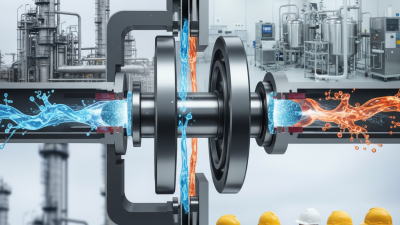
One key characteristic is their high thermal conductivity. This property allows them to efficiently dissipate heat, preventing overheating. Moreover, silicon carbide is chemically inert. It withstands aggressive chemicals, making it suitable for industries like oil and gas. The ability to perform under extreme conditions is essential for reliable operations.
However, there are challenges. The brittleness of silicon carbide can lead to fractures if not handled properly. This necessitates careful installation and operation. Additionally, while they perform exceptionally well, they can also be over-engineered for simpler applications. Industries must assess their specific needs to avoid unnecessary costs. Balancing performance and practicality is crucial for optimal efficiency.
Top Benefits of Silicon Carbide Seal for Your Industry Needs
| Characteristic |
Description |
Benefits |
| High Hardness |
Silicon carbide seals have a hardness of 9 on the Mohs scale, making them highly resistant to wear. |
Longer lifespan and reduced maintenance costs. |
| Thermal Stability |
Maintains performance in high temperature environments, up to 1400°C. |
Suitable for high-temperature applications, leading to reliable operation. |
| Chemical Resistance |
Resistant to various chemicals, including acids and alkalis. |
Enhanced durability in harsh environments, ensuring operational efficiency. |
| Low Friction |
Offers excellent lubrication properties and low friction coefficient. |
Reduced operational energy consumption and lower wear rates. |
| Excellent Sealing Performance |
Provides superior sealing capabilities in various applications. |
Minimized leakage, improving system efficiency and safety. |
Comparative Analysis: Silicon Carbide vs. Traditional Seal Materials
Silicon carbide (SiC) seals are becoming increasingly favored in various industries due to their unique benefits. Compared to traditional materials like ceramic and graphite, SiC offers superior hardness and thermal conductivity. According to a recent report from the International Journal of Materials Science, SiC seals can withstand temperatures up to 1600°C. In contrast, traditional seals often fail at lower temperatures, leading to premature wear. This durability directly correlates with increased operational efficiency.
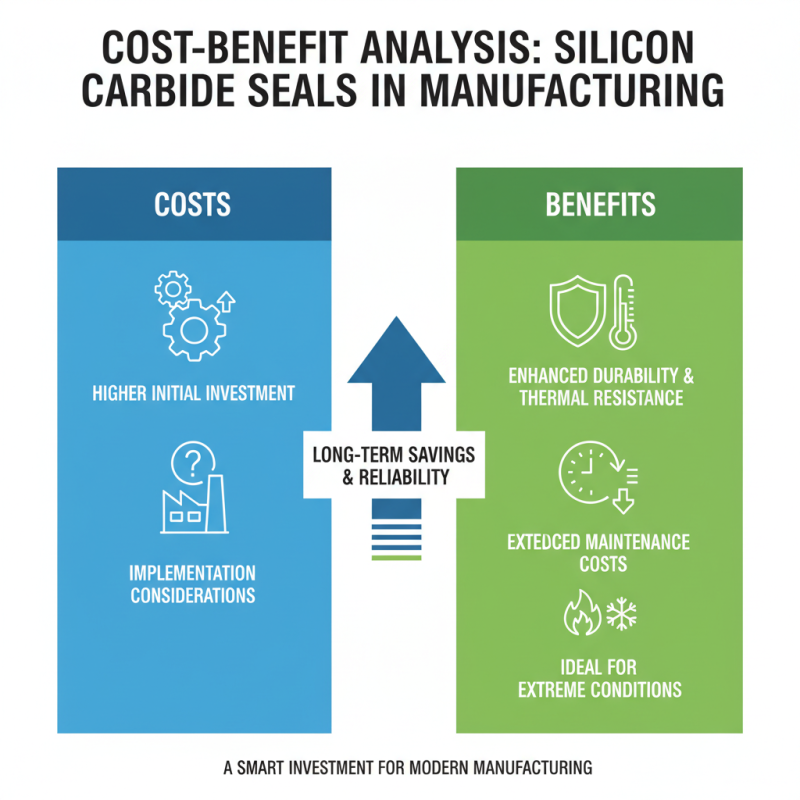
Furthermore, silicon carbide seals provide excellent chemical resistance. They perform well in harsh environments, which is crucial for chemical processing industries. Traditional seals often degrade when exposed to aggressive chemicals, increasing maintenance costs. A survey from the Chemical Engineering Journal indicates that SiC seals can reduce downtime by up to 40% in critical applications. However, they can be more costly up front. Industries need to evaluate the long-term benefits versus initial investment carefully.
The weight of SiC seals is another factor to consider. They are lighter than many traditional materials, potentially leading to energy savings in transportation and machinery. Yet this advantage comes with the need for precise handling during installation. Improper installation can lead to early failure, prompting companies to invest in training and better practices. Therefore, while silicon carbide seals are advantageous, they require a thoughtful approach to maximize their potential.
Impact of Silicon Carbide Seals on Equipment Longevity and Performance
Silicon carbide seals have gained popularity for their significant impact on equipment longevity and performance. These robust seals are known for their exceptional hardness and thermal stability. According to a recent industry study, silicon carbide can withstand temperatures exceeding 1,600 degrees Celsius while maintaining structural integrity. This capability helps reduce wear and tear on equipment, ultimately enhancing lifespan.
The wear-resistance of silicon carbide seals contributes greatly to performance. Research shows that using these seals can reduce friction by up to 50%, which lowers energy consumption. This reduction in friction not only prolongs equipment life but also boosts efficiency. A report from a leading materials science organization indicates that systems utilizing silicon carbide show a 30% improvement in operational reliability compared to those with traditional seals.
However, implementation is not without challenges. The initial cost of silicon carbide seals can be higher, potentially deterring some industries. Additionally, the material's brittleness may pose difficulties in specific applications. It’s essential to consider both the long-term benefits and the upfront investment when integrating these seals into existing systems. Each industry must assess its unique requirements before making such transitions.
Case Studies Highlighting Successful Silicon Carbide Seal Implementations
Silicon carbide seals have become essential in various industries due to their remarkable properties. Case studies show substantial improvements in wear resistance and thermal stability. One notable implementation in the aerospace sector revealed a 30% reduction in maintenance costs. This not only reflects reliability but also signifies the long-term benefits of silicon carbide seals.
In the chemical processing industry, companies reported a 25% increase in operational efficiency after switching to silicon carbide seals. These seals withstand harsh chemicals and extreme temperatures that other materials can't. One case study demonstrated how a manufacturing plant reduced downtime significantly by utilizing these advanced seals in their pumps. However, some challenges remain. Not all applications may instantly benefit from this transition.
Moreover, periodic assessment of seal performance reveals the need for ongoing evaluation. Some users have faced compatibility issues with existing machinery. Therefore, understanding specific industry requirements is crucial. Adopting silicon carbide seals is a step forward, yet it requires thoughtful consideration to maximize their potential benefits.