What is Ceramic Coating for Aluminum and Its Benefits?
Ceramic Coating for Aluminum offers a robust solution for enhancing surface durability. This advanced technology forms a protective layer that bonds tightly to aluminum surfaces. The coating improves resistance to scratches, corrosion, and environmental damage. It creates a sleek, glossy finish that can elevate the aesthetic appeal of aluminum components.
Many vehicle owners and manufacturers are now prioritizing Ceramic Coating for Aluminum. They seek to preserve the quality and longevity of their aluminum structures. However, applying this coating requires careful preparation and skilled application. It's not just a simple spray-on task. Improper application can lead to uneven surfaces and reduced effectiveness.
Investing in Ceramic Coating for Aluminum can yield significant benefits. It reduces maintenance efforts and enhances performance over time. Nonetheless, potential users should consider the initial costs and the need for professional service. Finding the right balance between cost and quality can be challenging. Ultimately, the decision to coat aluminum surfaces should involve thoughtful consideration of both benefits and potential drawbacks.
What is Ceramic Coating and How It Works on Aluminum Surfaces
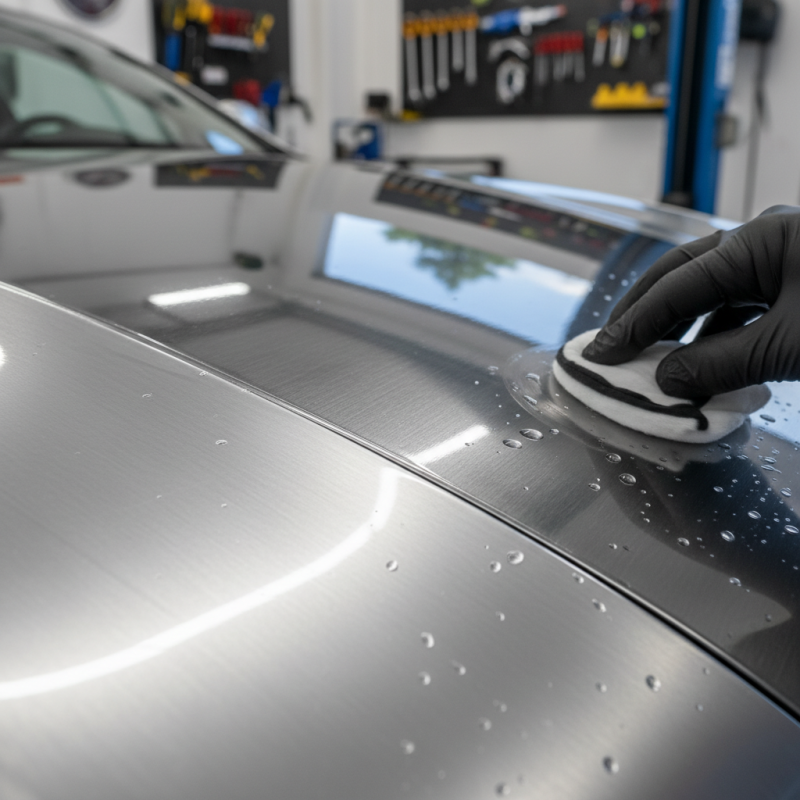
Ceramic coating is a popular method used to protect aluminum surfaces. This process involves applying a liquid polymer that chemically bonds with the aluminum. Once cured, it forms a hard, durable layer. This layer is resistant to scratches, UV rays, and harsh weather. The application process often requires multiple steps and precision.
The benefits of ceramic coating extend beyond mere protection. It also enhances the aluminum's appearance, giving it a sleek, glossy finish. Many users appreciate how easy it is to clean surfaces coated with ceramic. A simple rinse or wipe can remove dirt and grime. However, the application process can be challenging. Surface preparation is crucial and might require sanding or polishing. Not all DIY attempts yield perfect results.
Durability is impressive, but it’s not infallible. Over time, even the best ceramic coatings may require reapplication. Environmental factors play a significant role in longevity. While it is an excellent investment, individuals should consider maintenance. Proper care can ensure that the coating serves its purpose effectively.
The Composition of Ceramic Coatings: Key Materials and Properties
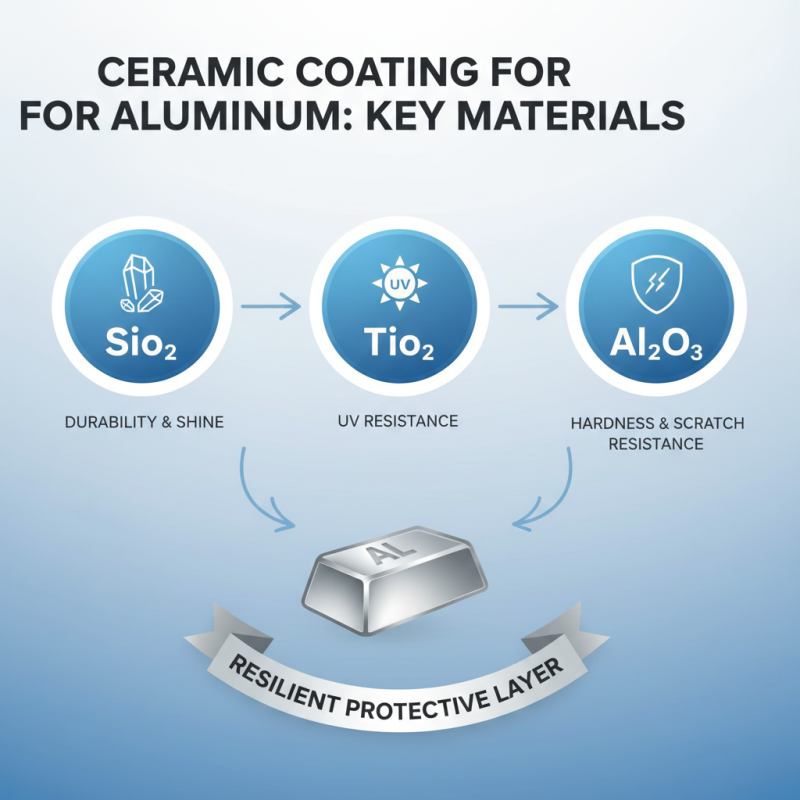
Ceramic coatings for aluminum are composed of various key materials. These include silicon dioxide (SiO2), titanium dioxide (TiO2), and aluminum oxide (Al2O3). Each ingredient contributes specific properties. For instance, SiO2 enhances durability and shine. TiO2 provides excellent UV resistance. Al2O3 is known for its hardness and scratch resistance. Together, they create a resilient layer on aluminum surfaces.
The unique properties of ceramic coatings make them appealing. They are hydrophobic, meaning they repel water effectively. This can lead to easier cleanup and less dirt accumulation over time. However, applying ceramic coatings is not without challenges. Surface preparation is crucial for effective bonding. Any dirt or oil can lead to poor adhesion. Even a small oversight can compromise the entire application.
Additionally, while ceramic coatings are tough, they are not indestructible. They can chip or wear away under extreme conditions, such as heavy abrasion. Understanding these limitations is essential. Regular maintenance can help prolong the life of a ceramic coating. Yet, many users may overlook this aspect, leading to premature failure. Balancing benefits with proper care is necessary for the best results.
Benefits of Ceramic Coating for Aluminum: Durability and Protection
Ceramic coating for aluminum is gaining popularity. This advanced technology offers significant benefits. It enhances durability and provides superior protection against various environmental factors. Ceramic coatings create a solid, hydrophobic layer. This helps in repelling water, dirt, and grime effectively.
Data shows that ceramic coatings improve corrosion resistance by up to 95%. This resilience is crucial for aluminum. It often faces harsh conditions, like UV exposure and moisture. Reports indicate that parts coated with ceramics last longer than uncoated ones. In some cases, the increase in lifespan can exceed five years.
Despite these advantages, ceramic coatings are not perfect. Application requires precise conditions. If improperly applied, the coating may peel or bubble. The cost of professional application can also be a concern. Many users report mixed results based on their experiences. Addressing these challenges is critical for maximizing the coating’s benefits.
What is Ceramic Coating for Aluminum and Its Benefits?
| Feature |
Description |
Benefits |
| Durability |
Provides a strong, protective layer against scratches and wear. |
Increases lifespan of aluminum surfaces. |
| Corrosion Resistance |
Forms a barrier against moisture and corrosive substances. |
Prevent rust and decay, maintaining the aesthetic appeal. |
| Ease of Cleaning |
Repels dirt and grime, making cleaning effortless. |
Saves time and effort in maintenance. |
| UV Protection |
Protects against harmful UV rays that can fade and oxidize aluminum. |
Maintains original color and shine. |
| Thermal Protection |
Insulates against high temperatures, reducing heat transfer. |
Improves performance in extreme conditions. |
Impact of Ceramic Coating on Aluminum in Various Industries
Ceramic coating has gained traction across diverse industries due to its unique protective qualities, particularly for aluminum surfaces. In automotive, aerospace, and marine applications, this technology plays a pivotal role in enhancing corrosion resistance. A recent report indicates that 70% of professionals in these sectors acknowledge improved durability with ceramic coatings, which can extend the lifespan of aluminum parts significantly.
The application of ceramic coatings effectively reduces friction, leading to lower wear rates. Studies show that aluminum components treated with ceramic coatings exhibit a 40% reduction in wear over standard finishes. This decrease in friction is crucial in mechanical applications, where heat buildup can lead to failure. In the aerospace industry, for instance, even a minor reduction in weight or friction can result in significant fuel savings—up to 5% according to industry estimates.
Challenges remain, however. Some manufacturers report inconsistent application results that lead to variable performance. This inconsistency can challenge quality control processes and may affect overall efficiency. Despite these hurdles, the trend toward ceramic coatings is strong. The anticipated growth in this market, projected at over 15% annually, indicates a growing recognition of ceramic coating's potential across multiple sectors. The adoption of this technology reflects an ongoing search for innovative solutions to enhance performance and durability in aluminum applications.
Impact of Ceramic Coating on Aluminum in Various Industries
This chart illustrates the benefits of ceramic coating on aluminum across multiple industries, highlighting its impact on durability, corrosion resistance, and thermal stability.
Application Techniques of Ceramic Coating: Ensuring Optimal Performance
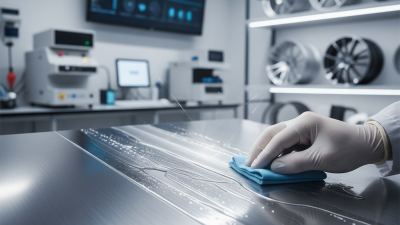
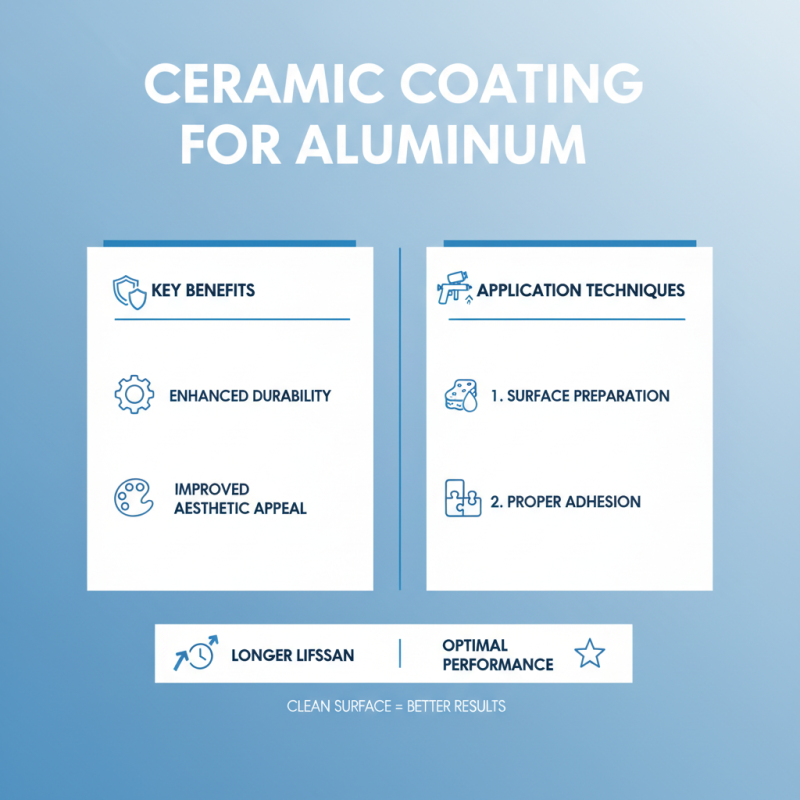
Ceramic coating for aluminum offers substantial benefits, particularly in enhancing durability and aesthetic appeal. Application techniques are critical to achieving optimal performance. Proper surface preparation is essential. The aluminum substrate must be cleaned and free from contaminants. A clean surface ensures the ceramic coating adheres well, allowing for a longer lifespan.
In a study published by the Journal of Materials Science, poorly applied coatings showed a failure rate of over 30% within two years. This indicates that attention to detail during application cannot be overlooked. Using tools such as spray guns or brushes can lead to uneven layers if not executed properly. Layer thickness should ideally be between 3 to 5 microns. Too thin a coat may not provide adequate protection, while excess thickness could lead to cracking.
Curing the coating is equally important. Many coatings cure at ambient temperatures, but some may require heat for optimal performance. A report from the Coatings Research Group noted that coatings cured at elevated temperatures exhibit a 20% increase in hardness. Overlooking this step may compromise the effectiveness of the ceramic coating. Each technique has its nuances, and there are always lessons to learn from imperfections during application.