How to Apply Ceramic Coating on Steel for Maximum Protection?
Ceramic Coating on Steel offers exceptional protection against corrosion and wear. This advanced solution enhances the lifespan of steel surfaces significantly. Applying a ceramic coating can be intricate and requires precision. Understanding the best practices is key to achieving maximum protection.
Achieving a flawless application involves several crucial steps. Surface preparation is vital. Any existing contaminants must be thoroughly removed. Improper preparation can lead to adhesion issues. This emphasizes the importance of attention to detail. It’s easy to overlook this step, but it can ruin the end result.
Experience plays a role in perfecting this technique. Testing different methods helps identify what works best. Some users report uneven finishes on their first attempts. Embracing the learning curve is essential. By learning from mistakes, you can achieve better results in future applications. Emphasizing best practices can help anyone become proficient in applying Ceramic Coating on Steel effectively.
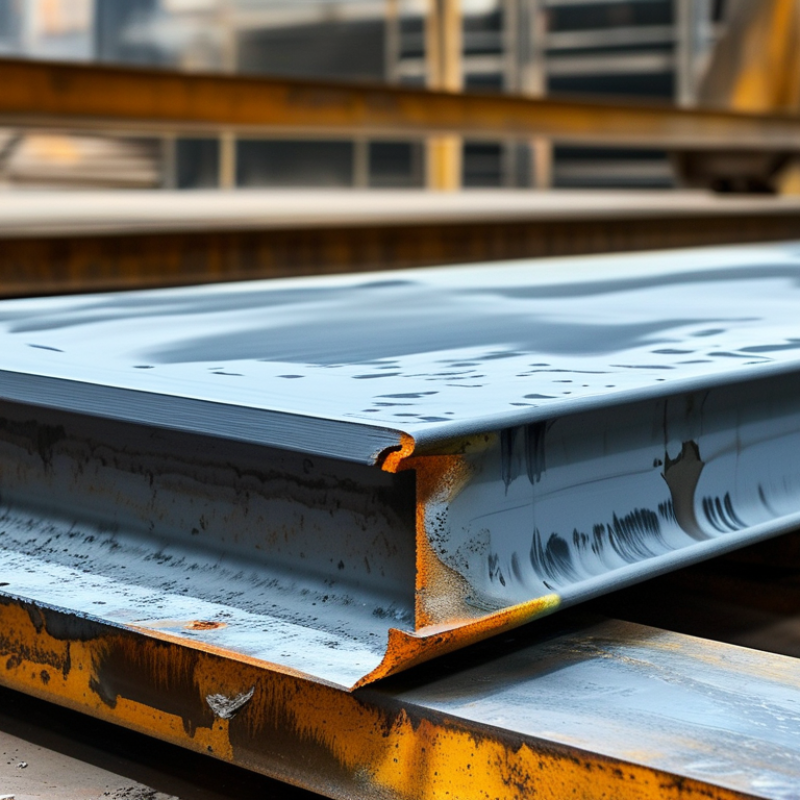
Understanding Ceramic Coating and Its Benefits for Steel Surfaces
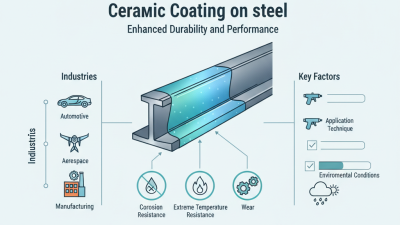
Ceramic coating is a game-changer for steel surfaces. It provides strong protection against corrosion, UV rays, and other environmental factors. According to industry reports, steel coated with ceramic can reduce corrosion by over 50%. This significant reduction extends the lifespan of steel, making it an attractive option for various applications.
The application process is vital for maximizing these benefits. A clean surface is essential. Any contaminants can lead to bond failures. While ceramic coating can tolerate scratches, thorough preparation ensures maximum adhesion. Many professionals recommend a two-layer application for enhanced durability. This method can increase hardness ratings, achieving results similar to diamond in some tests.
Despite its advantages, ceramic coatings do require careful consideration. The curing process can be sensitive to environmental conditions. Improper curing might affect the coating's effectiveness. Knowledge of the coating's characteristics can prevent potential issues. These factors showcase the importance of experience and expertise when applying ceramic coatings to steel surfaces.
How to Apply Ceramic Coating on Steel for Maximum Protection?
| Step |
Description |
Benefits |
| 1 |
Prepare the Steel Surface |
Removes contaminants ensuring better adhesion. |
| 2 |
Choose the Right Ceramic Coating |
Select based on desired durability and conditions. |
| 3 |
Apply Primer (if required) |
Increases adhesion and strength of the coating. |
| 4 |
Apply the Ceramic Coating |
Ensures maximum protection and enhances surface durability. |
| 5 |
Cure the Coating |
Allows the coating to bond properly for optimal performance. |
| 6 |
Final Inspection |
Ensures even application and identifies any touch-ups needed. |
Preparing Steel Surfaces for Optimal Ceramic Coating Application
Preparing steel surfaces for ceramic coating is crucial for optimal results. Start by thoroughly cleaning the surface. Remove dirt, grease, and rust. Use a suitable degreaser for effective removal. A clean surface ensures better adhesion of the coating.
Next, inspect the steel for imperfections. Minor scratches and dents can affect the coating’s integrity. Consider using sandpaper or a grinder to smooth rough areas. Repair any significant damage before moving forward. This step can be time-consuming but is essential for long-lasting protection.
After preparation, it’s important to wipe the surface again. Use a lint-free cloth to eliminate any remaining dust or debris. This final clean-up step impacts the bond strength of the coating. Without proper surface prep, even the best ceramic coatings may fail to perform as expected. Aim for a flawless application for maximum protection.
Step-by-Step Guide to Applying Ceramic Coating on Steel
Applying ceramic coating on steel can enhance its durability and protect against corrosion. Start by gathering essential supplies. You will need a degreaser, microfiber cloths, and a ceramic coating solution. Safety gear is also important. Use gloves and a mask to protect yourself.
Clean the steel surface thoroughly. A degreaser works well for removing oils and contaminants. Make sure the surface is completely dry before moving to the next step. Inspect the steel for imperfections. Minor scratches or dents can affect the final outcome. Consider addressing these issues before applying the ceramic coating.
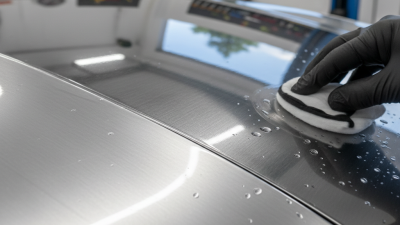
When ready, apply the coating evenly. Use a foam applicator or a microfiber cloth. Apply in small sections to ensure thorough coverage. It’s tempting to rush, but patience is key here. Let the coating cure as instructed. Curing times can vary, so read the manufacturer’s guidelines. This step is crucial for maximum protection. After curing, inspect the finish. Look for areas that may require a touch-up. Regular maintenance and reapplication will keep your steel looking its best.
Curing Process and Maintenance Tips for Ceramic Coated Steel
The curing process is crucial for achieving maximum protection when applying ceramic coating on steel. After application, allow the coating to cure properly. This typically takes 24 to 72 hours, depending on environmental conditions. Ensure the area is well-ventilated to promote curing. Avoid exposing the coated surface to moisture during this period. A controlled environment accelerates the hardening process, resulting in stronger protection.
Maintenance is essential to retain the coating's effectiveness. Regular cleaning is necessary to remove contaminants. Use a pH-neutral soap and a soft cloth for gentle cleaning. Avoid harsh chemicals, as they can degrade the ceramic layer. Inspect the coating periodically for signs of wear or damage. If you notice any imperfections, address them promptly to prevent further issues.
It's not uncommon to encounter challenges during the maintenance phase. Water spots or minor scratches may appear over time. A ceramic coating can't prevent everything, but it significantly reduces the likelihood of damage. Evaluate your maintenance routine periodically to improve it. Fine-tuning your approach ensures the longevity of the ceramic coating and the steel surface beneath.
Common Mistakes to Avoid When Applying Ceramic Coating to Steel
When applying ceramic coating to steel, avoiding common mistakes is crucial for achieving maximum protection. Many individuals overlook surface preparation. Proper cleaning is vital. The steel must be free from rust, grease, and contaminants. A 2021 report from the Coating Society indicated that improper surface preparation reduces coating performance by up to 40%. Thoroughly degrease and polish the surface for optimum adhesion.
Another frequent mistake is inadequate curing time. Many rush this process, believing the coating is instantly effective. However, ceramic coatings need sufficient time to bond with the surface. Experts suggest allowing at least 24 hours for initial cure before exposure to any stress. Skipping this step can lead to peeling or delamination, undermining the protective qualities of the coating.
Lastly, applying too thick a layer can cause issues. Many believe more coating equals better protection. In reality, a thick layer can trap air and lead to imperfections. Industry studies emphasize applying multiple thin coats instead. This method enhances durability and provides a more uniform finish. While many strive for perfection, recognizing these pitfalls can profoundly impact your project’s success.