What is an Alumina Plate and How is it Used?
Alumina plates are essential materials in various industries, known for their durability and versatility. According to Dr. Emily Chen, a leading expert in ceramic engineering, “Alumina plates provide unmatched strength and thermal resistance.” This statement highlights their importance in applications ranging from electronics to aerospace.
These plates are made from aluminum oxide. They possess unique properties like high hardness and low thermal expansion. In manufacturing, they serve as substrates for electronic devices and protective layers. Their ability to withstand harsh conditions makes them valuable in military applications too. However, not every project utilizes Alumina plates effectively.
Some challenges arise when integrating these plates. The cost can be prohibitive for small-scale projects. Additionally, proper machining and finishing techniques are crucial. Incorrect handling may lead to cracks or defects. This field continues to evolve, but opportunities for improvement remain.

What is Alumina?
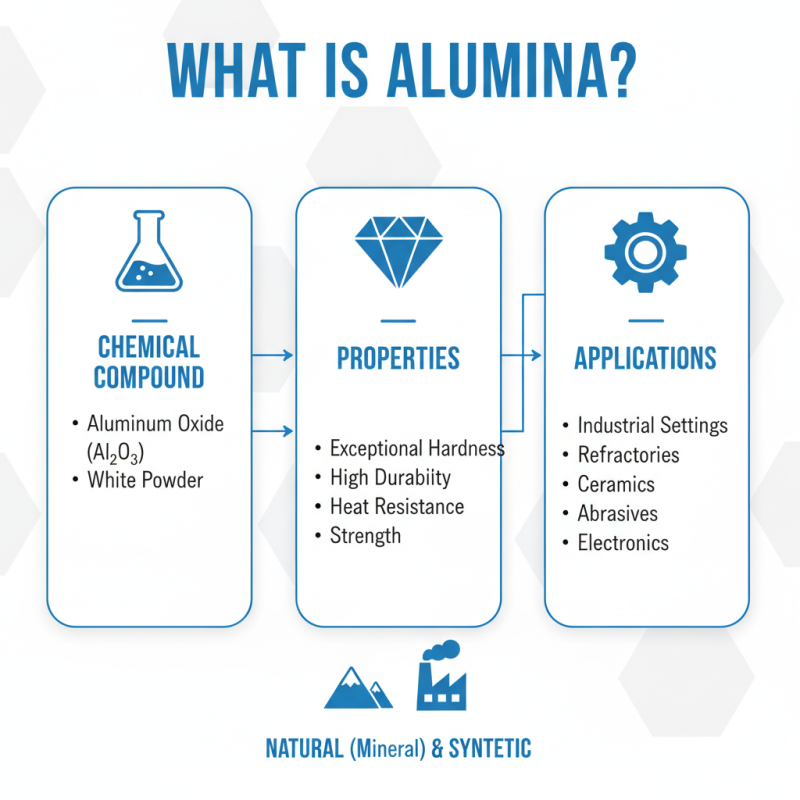
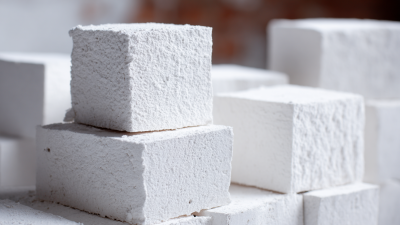
Alumina is a chemical compound, primarily consisting of aluminum oxide. This white powder is known for its hardness and durability. It occurs naturally as a mineral, but it can also be produced synthetically. Its properties make it ideal for various applications, particularly in industrial settings. Many industries rely on alumina for its strength and resistance to heat.
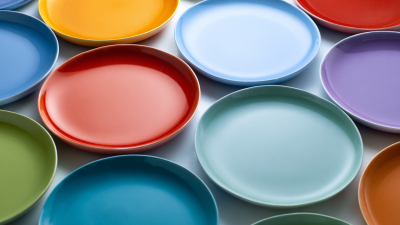
In ceramics, alumina serves as a key ingredient in making tiles and pottery. It contributes to the material's overall strength and ensures lasting durability. Alumina plates are often used in high-temperature environments. They can withstand intense heat without degrading. This makes them suitable for use in furnaces and kilns.
Tips: When working with alumina, always check the temperature ratings. Using it beyond its limits can lead to failure. Also, keep in mind that while alumina is strong, it can be brittle. Implementing protective measures during handling can prevent accidents.
Alumina’s versatility also extends to electronics and aerospace. It acts as an insulator in circuits and is used in components that require high durability. However, not all alumina products are created equal. Understanding the various grades and forms available is crucial for specific applications. Assessing your needs carefully can lead to better outcomes.
Properties of Alumina Plates
Alumina plates are made from aluminum oxide, a compound known for its impressive durability and versatility. These plates exhibit remarkable hardness, making them ideal for various applications. They can withstand high temperatures and resist corrosion, which is crucial in many industrial settings. The exceptional wear resistance of alumina plates makes them suitable for use in environments that demand longevity and reliability.
These plates find their way into several industries, including aerospace, automotive, and electronics. Their lightweight nature coupled with strength ensures efficiency in different applications. For instance, they are often used as insulators in electrical components. However, the manufacturing process can introduce variability in quality. Even small discrepancies can affect performance. It's essential to pay close attention during production to ensure optimal results.
The usage of alumina plates is not without challenges. Despite their advantages, they can become brittle over time. This brittleness may lead to unexpected failures in extreme conditions. Proper handling and installation are critical to avoid damage. While the benefits are clear, some applications may require alternative materials for enhanced performance or flexibility. Each project demands careful evaluation to make the best choice.
Common Applications of Alumina Plates
Alumina plates are versatile materials with a wide range of applications. They are known for their high strength and thermal resistance. These properties make them ideal in various industries. In electronics, alumina plates are often used as substrates for circuit boards. Their insulation properties prevent short circuits and aid in heat dissipation.
In the field of manufacturing, alumina plates serve as wear-resistant surfaces. They are utilized in equipment handling abrasive materials. This helps to extend the life of machinery. The dental industry also benefits from alumina's biocompatibility. It is used in dental implants and prosthetics. However, the high cost of alumina can be a barrier for some applications.
Tips: When using alumina plates, ensure proper handling. They can be brittle. Always wear safety gear when working with them. Additionally, check the compatibility of alumina with other materials in your project. It might not fit every application. Testing is crucial to avoid unexpected failures.
What is an Alumina Plate and How is it Used? - Common Applications of Alumina Plates
| Application |
Industry |
Key Properties |
Benefits |
| Electrical Insulation |
Electronics |
High dielectric strength |
Enhanced safety |
| Wear Resistance |
Mining |
Hard and durable |
Increased equipment lifespan |
| Thermal Management |
Aerospace |
High thermal conductivity |
Effective heat dissipation |
| Cutting Tools |
Manufacturing |
High hardness |
Improved productivity |
| Biomedical Applications |
Healthcare |
Biocompatible |
Safe for medical use |
Manufacturing Process of Alumina Plates
Alumina plates are crucial in various industries due to their high strength and thermal resistance. The manufacturing process of these plates involves several detailed steps. Initially, aluminum oxide is sourced and purified. This raw material is then mixed with additives to enhance performance. A report by the Global Alumina Market indicates that the refining process can lead to a 90% yield of alumina from bauxite.
Following the preparation, the mixture undergoes compaction. This step involves applying pressure to form dense plates. These plates are then sintered in high-temperature furnaces. Sintering helps in achieving the desired hardness. Some studies suggest that optimal sintering temperatures range from 1400 to 1600 degrees Celsius.
After cooling, the plates are subjected to quality checks. These checks ensure that they meet industry standards. Despite advancements, variability in raw materials can lead to inconsistencies in the final product. Thus, manufacturers often face challenges. They must continuously refine their processes to maintain quality. Furthermore, as the market evolves, there is a push for sustainable practices. This complicates the process, requiring innovative approaches to minimize waste and enhance efficiency. The future of alumina plates hinges on balancing performance and sustainability.
Advantages of Using Alumina Plates in Various Industries
Alumina plates are ceramic materials made from aluminum oxide. They are known for their hardness and durability. These plates are widely used in various industries due to their numerous advantages. For instance, in the electronics industry, alumina plates act as excellent substrates for circuit boards. They provide thermal stability, which can be crucial for device performance.
In the aerospace sector, alumina plates are used for their lightweight properties. They help reduce overall weight while maintaining strength. This is essential for improving fuel efficiency in aircraft. Additionally, in the medical field, alumina plates are utilized in implants. Their biocompatibility is vital for patient safety and recovery. However, the challenge remains in balancing quality and cost. Many industries still seek the most affordable options without sacrificing performance.
The use of alumina plates is growing, but some manufacturers may overlook quality controls. This could lead to subpar products. Industries must be vigilant to ensure they receive the best materials. The potential for innovation is immense. However, the path is not always clear. Ongoing research will help address these issues and improve applications.